The Final Drive: A Field Guide to the Excavator’s Travel Power Component
If you read only the category-level numbers, the undercarriage looks like one line item among many – a slice of a 35-billion-dollar aftermarket that grows as machines age. But the undercarriage is not one thing, and the component that decides whether a tracked machine can move itself at all is the final drive. This article is a field guide to that one part: the hydraulic motor and planetary gearbox at the end of each track, what it does, why it fails, how to read the warning signs, and how to buy one so a replacement returns the machine to full travel instead of repeating a teardown. The fleets that win on uptime treat the final drive as a precision hydraulic assembly, not a commodity, and the 2026 data is forcing everyone else to catch up.
The numbers make the focus obvious. Heavy equipment hydraulic motors and final drives sit inside a market where the profit pool has shifted decisively from new-machine fitment to aftermarket replacement, because a tracked machine consumes these assemblies through contamination, heat and shock rather than through a calendar. Field data from large excavators operating in severe mining duty shows hydraulic-motor-related unplanned downtime averaging more than forty hours per thousand operating hours, with swashplate wear and cavitation accounting for the majority of critical incidents – and the final drive, being the motor-plus-gearbox at the track, is exactly where that downtime lands. A final-drive search is rarely casual; it is a machine that has stopped moving productively, or a fleet manager planning the teardown before it does.
What a Final Drive Actually Is
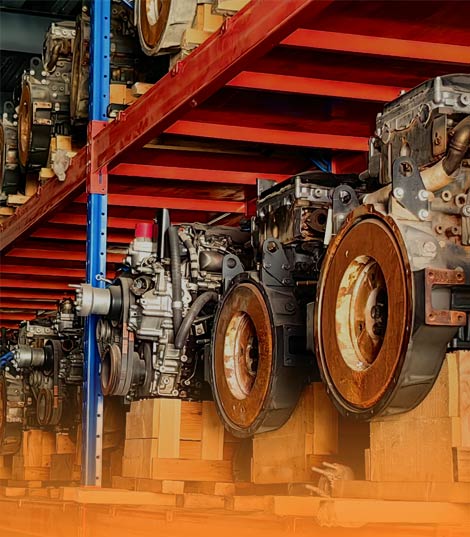
A final drive is the hydraulic motor and planetary gearbox mounted at the rear of each track frame. The motor converts hydraulic pressure and flow from the machine’s main pump into rotation; the planetary gearbox steps that rotation down to high torque and drives the track sprocket. Each tracked machine carries two final drives, one per side, and they operate independently so the machine can turn, pivot and travel. Without functioning final drives, the machine cannot move under its own power – which is why, among undercarriage queries, the final drive ranks with the chain, rollers and sprockets at the top of the travel-related search list. Everything else in the travel system – the chain that wraps the sprocket, the rollers it runs over, the idlers that tension it – depends on the final drive turning true.
Why It Fails: Contamination, Heat and Shock
A final drive fails for a short list of reasons, and contamination leads them all. The motor is a precision hydraulic component that demands clean fluid and correct pressure; once abrasive particles reach the rotating group, the volumetric efficiency falls and the heat climbs. Laboratory and field data show that when fluid runs hot and contaminated, a motor’s efficiency can drop by ten percentage points or more across its speed range, and that thermal and tribological breakdown is what shortens the interval. Add shock loading – pushing debris, working on slopes, side loads that the housing was not built to carry – and the gearset and bearings take the hit. Heat, contamination and shock are not separate failures; they reinforce each other, and the final drive is where they converge.
The Two-Per-Machine Redundancy Myth
It is tempting to think that because a machine has two final drives, losing one is survivable. It is not. A failed final drive on one side pulls the machine to that side, overloads the good side, and strands the equipment mid-project. The two units fail independently, and a contamination event in the hydraulic circuit often seeds both at once. Fleets that treat the pair as one wear system – assessing gear-oil condition, leak history and temperature trends on both sides together – avoid the trap of fixing one and watching the other go within weeks. The practical lesson is that a final-drive event is almost always a both-sides conversation, even when only one has failed today.
Reading the Failure Signals Early
The signs of a failing final drive are audible and visible long before catastrophe. Unusual grinding or whining from the track area, the machine pulling to one side during travel, visible gear oil leaking from the motor housing or the shaft seal, reduced travel speed or power, and excessive heat in the final-drive area after normal operation are the early warnings. The discipline that matters is stopping operation under load and inspecting the moment one appears, because a failing final drive that keeps running converts a repairable seal-and-bearing job into a full replacement. A travel-speed drop or a one-sided pull is a scheduled event waiting to happen, not a reason to keep pushing the machine.
Lifespan, Intervals and the 3,000-to-5,000-Hour Rule
As a planning figure, a well-maintained final drive runs roughly 3,000 to 5,000 operating hours before critical wear shows, but that range collapses in abrasive or high-impact duty and stretches in clean, light work. The honest answer is always the measurement and the oil condition, not the rule of thumb. What the 2026 data adds is that replacement cycles are shortening for hard-worked machines, and that operators who plan final drives against hours and ground conditions – rather than against a fixed calendar – spend less per productive hour and avoid the failure that strands a machine mid-project. A final drive is not a calendar part; it is a contamination-and-hours part.
Gear-Oil Discipline: The Cheapest Insurance
The single highest-leverage habit for final-drive life is gear-oil discipline. Change the gear oil on the manufacturer’s interval – commonly around 1,000 operating hours – and keep the breather and seals intact so contamination cannot enter. A final drive that loses its oil through a shaft seal weep destroys its gearset within hours, and the weep is the cheapest fault to catch. Fleets that sample and inspect gear-oil condition, rather than relying on a date, turn final-drive replacement from a breakdown into a scheduled event. The gear oil is the lifeblood of the planetary set; treat its interval as non-negotiable and the assembly rewards you with the full service life.
Sourcing: Bolt Pattern, Ratio and the Part-Number Match
Buying a final drive well means three things. First, complete part-number and dimension matching: the assembly must be specified to the machine model, the bolt-hole pattern on both the sprocket and frame sides, and the gear ratio – not to a generic ‘looks about right’. Second, a guarantee on fit and performance, because a final drive that does not bolt true to the frame or sprocket destroys the very track it is meant to drive. Third, verification of the internal specification, because a drive built for the wrong pressure or ratio will not survive the duty. Overseas buyers in 2026 have stopped chasing the lowest price and started demanding complete part numbers, in-house testing and after-sales warranty – because a final drive that arrives late, or wrong, turns a planned weekend into a two-week wait.
OEM vs Aftermarket – and the TCO Trap
The choice between original and aftermarket final drives is not really about the label; it is about quality control. Quality aftermarket units from suppliers who physically test each assembly and back it with meaningful warranty can deliver the same life as original at a fraction of the cost, which is why they have become the industry standard for replacement on many machines. The trap is the untested, drop-shipped unit: industry data shows poorly sourced aftermarket parts can need replacement about one-and-a-half times sooner, adding 15 to 25 percent to total ownership cost over time. The differentiator is whether the supplier has genuine test and fitment processes, not the OEM badge. Buy to the machine’s actual demands and verify the supplier stands behind the product.
The Telematics Signal
As procurement professionalises, the final drive has become a data point. If a machine’s monitoring shows a final drive running hotter than baseline or consuming more hydraulic flow than normal, that is an early replacement signal, not a reason to wait until the motor fails on site. Fleets using structured travel-system reporting time replacements more precisely, cut catastrophic failures, and align parts spend with how the machine is actually used. Suppliers that bundle technical guidance with the part – telling you what temperature and flow to watch – are gaining influence over specifications, because the buyer is no longer buying a steel box; they are buying a predictable travel life. The final drive has quietly become an uptime lever, and the fleets that treat it as one are the ones not waiting on a tow truck.
Climate and Ground Conditions
Two identical machines in different environments consume final drives at wildly different rates. Abrasive, rocky or quarry duty abrades seals and loads bearings far faster than clean soil; muddy, corrosive sites attack the seal and the metal from both sides. This is why a single replacement interval is always wrong, and why measurement beats the calendar. Fleets operating in harsh conditions should shorten their gear-oil and inspection cadence, lean toward verified-quality assemblies, and carry deeper buffer stock, because their final drives reach the wear limit sooner and fail more expensively if caught late. The ground and the climate, not the hours on the clock, are the truest predictors of when the final drive needs replacing.
Storage and Handling Before Fitment
A final drive is only as good as it arrives. Store assemblies in a dry, covered space off the ground, because a unit that rusts in storage loses the surface finish that bought its seal life, and a corroded shaft seal weeps from the first hour. Keep the factory preservative and the protective plugs intact until installation, and never stack heavy items on a boxed assembly in a way that distorts the housing. On the bench, confirm the bolt patterns and the shaft seal before fitting – an assembly that arrives with a damaged seal or distorted flange will not seat true and will wear unevenly from the first hour. The time spent inspecting the drive before it goes on the machine is the cheapest insurance against a premature teardown.
Consolidation and Global Shipping
For global operations sourcing final drives across regions, consolidating procurement through a single supplier with verified international shipping reduces administrative overhead and keeps quality standards consistent across the fleet. The right supplier ships fast – because each day a machine is stuck costs money – and confirms fitment against the machine’s serial before the order is cut. Routing the final drive alongside the seals, bearings and filters it shares the teardown with, as one managed order rather than several emergencies, lowers landed cost and removes the emergency freight that follows a breakdown. The fleets that internalise this stop treating the final drive as a commodity and start treating it as the uptime lever it has always been.
The Mistakes That Cost the Most
The mistakes repeat across fleets. Buying on price alone and skipping the supplier’s quality-control evidence. Ignoring the gear-oil interval until the drive is silent. Replacing one side and deferring the other. Mixing unverified ratios across the travel system so nothing shares a speed. Treating the final drive as a commodity instead of a precision hydraulic assembly. Each of these turns a predictable, schedulable replacement into an unplanned, expensive one. The fix is not a bigger budget; it is reading the final drive at the part level – measuring it, matching it, changing the gear oil, and replacing it as a system – before the ground and the contamination decide the timing for you.
Conclusion
The final drive is the undercarriage’s power component and the part that, more than almost any other, decides whether a tracked machine delivers productive hours or becomes a bottleneck in the field. A precision hydraulic motor and planetary gearbox, vulnerable above all to contamination, heat and shock, and lasting roughly 3,000 to 5,000 hours in proper service – it deserves to be understood as an engineered assembly of seals, bearings and gearset, not as a steel case to be bought cheap. Fleets that change the gear oil on interval, read the temperature and flow signals, specify verified assemblies for harsh duty, and consolidate the order spend less per hour and avoid the breakdowns that strand a machine mid-project. Racer Machinery supplies brand-new final drives and travel-system components matched to your machine’s part numbers and shipped as consolidated mixed orders to more than one hundred countries, so your next track-side teardown is scheduled by you and not by the ground.