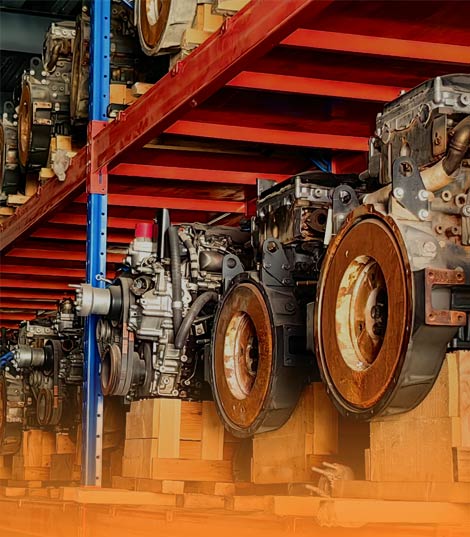
The Alternator: A Field Guide to the Part That Keeps the Machine Electrically Alive
If you read only the category-level numbers, electrical looks like one line item among many – a slice of a 35-billion-dollar aftermarket that grows as machines age. But the electrical system is not one thing, and the component that decides whether the machine starts tomorrow and charges today is the alternator. This article is a field guide to that one part: the generator that keeps the battery full and the electronics powered, what it does, why it fails, how to read the warning signs, and how to buy one so a replacement restores charging instead of repeating a failure. The fleets that win on uptime treat the alternator as a precision electrical assembly, not a commodity, and the 2026 data is forcing everyone else to catch up.
The numbers make the focus obvious. Electrical faults account for a meaningful share of unplanned downtime on modern equipment, because every system – engine management, sensors, lighting, telematics – depends on a stable supply. Field data shows charging-system failures producing multiple days of downtime per incident when a dead battery strands a machine or corrupts the control unit, and that planned alternator replacement timed to wear measurements costs a fraction of emergency recovery. An alternator search is rarely casual; it is a machine that is slow to crank, shows a low-charge warning, or a fleet manager planning the swap before the battery dies in the field.
What an Alternator Actually Does
An alternator is the part that converts mechanical energy from the engine into electrical energy to charge the battery and power the machine’s systems while running. It spins with the engine, generates alternating current, rectifies it to direct current, and regulates the voltage so every consumer receives a stable supply. Its output and regulation are the difference between a healthy electrical system and one that flakes out under load. Because it runs every operating hour and is exposed to heat, vibration and contamination, it is both critical and vulnerable. A sound alternator, matched to the machine’s demand, is the heart of the electrical event. When the alternator is right, the machine is right; when it drifts, everything downstream reads wrong.
Why Alternators Fail: Heat, Dust and Load First
The dominant cause of alternator failure is heat and contamination. The rectifier and regulator run hot, and abrasive dust or moisture reaching the internals causes insulation breakdown and brush wear; a cooling path blocked by packed mud is the usual source. The fix is not a better alternator; it is a better environment – keeping the unit clean, the belts tensioned and the connections tight. Heat is the root cause that no alternator brand can outrun, which is why the fleets with the lowest alternator failure rates are the ones that treat cooling and belt condition as a system, not an afterthought. An alternator fitted to a contaminated, overheated bay scores itself within the interval, and the repair bill grows well beyond a swap.
The Brush, Regulator and Diode Failure Modes
Heat is not the only route to failure. A large share of alternator failures involve the brushes wearing to the limit, the voltage regulator drifting out of spec, or the rectifier diodes shorting. In high-temperature, high-dust or high-vibration duty these faults cluster at more than double the base rate. A second common mode is installation error: maintenance teams using incorrect belt tension during fitment cause bearing damage and premature failure. These are both preventable – the first by protecting the cooling path and the connections, the second by following the specified tension and procedure. The lesson is that alternator life is decided as much by the surrounding system and the install as by the component itself.
Reading the Failure Signals
Alternator failure rarely shouts at first. It shows as a low-charge or battery warning light, slow cranking, dim or flickering lights, electrical gremlins that appear under load, a battery that will not hold charge, or unusual heat or noise from the alternator. These are the window in which a replacement costs a fraction of the alternative: an alternator that starts clean and stays clean is the difference between a ten-minute diagnosis and a stranded machine. Past that window, a dead battery can corrupt the control unit, and the alternator is no longer the only thing that needs fixing. The habit that matters is acting on the first symptom, not the last.
Lifespan and the Operating-Hour Planning Figure
As a planning figure, alternators typically last about 4,000 to 8,000 operating hours, but the real trigger is inspection, not the clock. Belt condition, cooling and duty swing that range hard: clean, well-cooled machines sit at the top; hot, dusty or high-load duty pushes the lower bound. The 2026 pattern is fleets grouping alternator inspection with the other electrical categories into one planned order rather than reacting to a single dead battery. Because alternators fail predictably as heat and hours accumulate, an alternator search is almost always pre-emptive – a buyer ordering ahead of a failure that has not yet started – and that single habit removes more unplanned downtime than most category-level plans.
Inspection Cadence: Belt, Output and Heat
The recommended inspection interval for alternators is a belt-tension and output check every 500 to 1,000 operating hours under standard conditions, combined with a visual check of the cooling path and connections. A useful deeper check measures charging voltage and current output under load to catch regulator drift before it becomes failure. Fleets that inspect on this cadence turn the alternator from a mystery failure into a managed wear item, and the inspection itself is cheap compared with the downtime it prevents. The interval is a guideline; the cooling and the duty are the truth.
Installation Discipline
An alternator is only as good as its installation. Clean around the unit before removal to keep dirt out of the electrical connections. Fit a new belt of the correct profile, and tension it to specification so the bearings are not overloaded – incorrect tension destroys the bearing and causes early failure. Torque the mounting and the terminals to specification, and never reuse a stretched belt or a corroded terminal. Verify the polarity and the regulator setting after fitting, and watch the charge warning on the first run. These are not optional finesse steps; they are the difference between an alternator that lasts the interval and one that fails on the first job. Buyers who pair the right alternator with disciplined installation get the full life; those who rush it buy the same alternator twice.
Calibration and the Regulator
Modern alternators are not plug-and-forget. Many machines require the regulator to be set to the correct voltage, and the charging system to be functionally checked after installation, so the battery receives a stable supply without over- or under-charging. Skipping regulator setting leaves the machine under-charging even with a perfect alternator, and the fault reads as a battery or starter problem that points at the wrong component. When using a cross-reference or universal replacement number, verifying regulator compatibility and performing the functional check are mandatory, not optional. The regulator setting is the step that turns a box of precision metal into a stable electrical supply.
Replace One or Replace the System
The decision rule is straightforward. If the alternator has failed on a low-hour machine with a healthy battery and belt, replace the alternator. If the machine is high-hour and the battery is also weak or the belt is cracking, replacing the alternator alone is more cost-effective only if the rest of the charging system is verified sound; otherwise the next component fails soon after. The trap is replacing the alternator on a machine with a failing battery and chasing the no-crank around the electrical system. Assess the whole charging train, balance the spending, and on high-hour machines treat the alternator as part of a matched system rather than a solitary part.
OEM, Aftermarket and Rebuilt – and the Quality-Control Caveat
Alternators are sold in tiers: original, high-quality aftermarket, and rebuilt. The right tier depends on the machine and the consequence of a failure, and the deciding factor is not the label but the supplier’s testing and traceability. A rebuilt alternator with no test data is a gamble on the part that powers your electronics; a documented, tested unit – whatever its tier – is the one that holds. Fleets that standardise on a few verified references and hold them as buffer stock turn a fragmented, reactive spend into a managed, planned one. The 2026 consensus is to favour complete tested units over unverified rebuilds for the charging circuit.
Climate, Duty and the Heat Curve
The alternator failure curve steepens sharply with heat, dust and vibration. High-temperature, high-dust or high-vibration operation multiplies failure rates, because heat accelerates insulation breakdown, dust feeds abrasion into the brushes, and vibration loosens connections. Fleets in these conditions should shorten inspection intervals, insist on cooling-path cleaning, and protect the alternator from contamination at every service. A machine working in a benign environment reaches the interval comfortably; the same machine in a harsh site reaches it far sooner. The climate and the duty, not the hours on the clock, are the truest predictors of when the alternator needs replacing.
Storage and Shelf Life
Alternators are precision items even before they are fitted. Store them in a clean, dry, sealed condition, because moisture and grit are exactly what destroy the very windings the alternator depends on. Keep the protective caps and terminals intact until fit, and never mix alternator tiers or references in one bin where a wrong unit can be fitted by mistake. A new alternator that has been opened, dropped or stored damp may not seat correctly even though it looks unused. The discipline is simple: rotate stock so the oldest fits first, store it right, and treat the alternator as the precision item it is rather than as a hardware afterthought.
Sourcing and Verification
Buying alternators well means matching the alternator to the machine’s exact model and output requirement, and preferring suppliers who can confirm the fit and the amperage rather than quote by appearance. Alternators are specified by output, mounting and regulator type, and the right unit depends on the machine and the consequence of a drop-out. Look for documented quality systems, output testing and traceability; an alternator with no test data is a gamble on the part that powers your electronics. Consolidating alternators with the batteries, belts and starters they share the electrical system with, as one order, lowers landed cost and removes the emergency freight that follows a breakdown.
The Mistakes That Cost the Most
The recurring errors are predictable. Reusing an old belt ‘because it looks fine’ – internal cracks are invisible. Buying on price and ignoring the supplier’s testing. Skipping regulator setting after install. Replacing an alternator on a machine with a failing battery. Ignoring cooling and blaming the alternator. Each turns a cheap, planned swap into an emergency recharge or a corrupted control unit. The discipline that avoids them is simple: keep it cool, match the output, install to tension, set the regulator, inspect on the duty-adjusted interval, and stock the alternator before the battery dies.
Conclusion
The alternator is the high-precision part that decides whether a machine’s electrical system stays alive, and it is also among the most-searched electrical parts because, as fleets age and duty intensifies, more machines reach the interval where an alternator either performs or lets the whole machine down. A precision assembly generating stable current, lasting roughly 4,000 to 8,000 hours in clean service and far less in hot, dusty duty, vulnerable above all to heat, contamination and belt error – it deserves to be understood as a calibrated system part, not as a bolt-in spares item. Fleets that keep it cool, inspect on the duty-adjusted interval, set the regulator after install, and hold alternators as buffer stock spend less per hour and avoid the unplanned downtime that a single dead battery can cause. Racer Machinery supplies brand-new alternators matched to your machine’s part numbers and output requirement, with the fit and output verified, and shipped as consolidated mixed orders to more than one hundred countries, so your next alternator swap is a scheduled bench job and not a roadside failure.