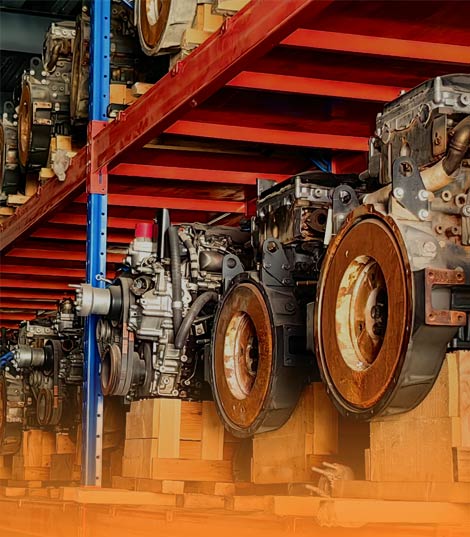
When an owner of a 20-ton-class hydraulic excavator searches for one hydraulic assembly by itself, ready to restore upperstructure rotation, the swing drive – the hydraulic motor and planetary reduction that rotate the cab, boom and arm about the undercarriage – is one of the highest-demand single assemblies in the excavator aftermarket. The swing drive is the sealed unit that turns the pump’s flow into the controlled rotation of the entire upperstructure, and it carries the full upperstructure weight through a reduction while holding position under side load, dig shock and slew reversal every cycle. When a swing drive loses its seal, wears its bearings or loses reduction, the upperstructure swings slow, judders, drifts, groans or fails to hold, and because swing motion positions every dig and travel move, a weak swing drive is felt across the whole machine. This field guide is about that one assembly, using the catalog reference 20Y-26-00100 as a representative swing drive for a 20-ton-class hydraulic excavator: what it does, how it is built, why it fails, how to read the early warnings, how to measure it, and how to choose and fit a replacement that restores controlled rotation instead of repeating the fault. The reference number 20Y-26-00100 is used here as a representative catalog reference for this class of assembly; no equipment or component brand is named, only the reference the machine reads.
The demand signal behind the search is easy to read. A crawler excavator rotates its upperstructure through a dedicated hydraulic swing circuit, and the swing drive sits at the junction of high torque, high side load and continuous reversal, so it wears faster than many quieter components. Industry service data places a large share of excavator hydraulic complaints in the swing and travel circuits, and swing-motor and swing-gear searches are among the steadiest aftermarket queries, because the unit rotates the entire upperstructure under load and its bearings, seals and reduction teeth take the abuse the rest of the rotating group never sees alone. A swing-drive search usually means a symptom already exists: oil at the drain, a slow or juddering swing, a groan on reversal, or an upperstructure that drifts off its set angle. It is a higher-stakes single assembly than a hose or a filter, because a worn swing drive scatters torque and positioning accuracy the whole rotating group depends on. The search signal here is about displacement, reduction ratio, mounting and torque – not just availability.
What the Swing Drive Does and Where It Sits
Position and the Load It Holds
The swing drive is mounted at the centre of the undercarriage, between the track frame and the rotating upperstructure. Pressurized oil from the hydraulic pump arrives at the motor section, the motor converts flow into rotation, and the planetary reduction steps that rotation down to the high torque the slewing ring needs to turn the cab, boom and arm. What matters for machine behaviour is that the drive holds its torque and its position across every slew: a healthy unit lets the upperstructure accelerate, hold and reverse smoothly, because swing is the axis that positions every dig and travel move. It is the component that sets the ceiling on swing responsiveness, and it does so with a motor, a reduction set and a seal and bearing group that must survive side load, shock and contamination the rest of the rotating group never sees alone.
Why the Reference 20Y-26-00100 Is Searched
The reference 20Y-26-00100, like every swing-drive reference, is the key that unlocks the correct combination of displacement, reduction ratio, mounting flange and output geometry for one machine configuration. It is not a cosmetic label; it tells the supplier which motor displacement the housing must carry, which reduction ratio the gear set must deliver, which flange and bolt pattern the undercarriage demands and which output the slewing ring expects. Reading the reference against the machine’s weight class and serial break is the only reliable first step, because a swing drive from the wrong family will not bolt to the frame, will not match the slewing ring, or will deliver the wrong torque and overload the rotating group. For a 20-ton-class hydraulic excavator, the reference 20Y-26-00100 points to a swing drive sized for that operating-weight band, and that sizing – not the outer shape – is what decides fit and life.
How a Swing Drive Is Built
Hydraulic Motor and Reduction Gear
A swing drive is a hydraulic motor rigidly coupled to a planetary reduction and sealed in one housing. The motor turns flow into rotation; the planetary set multiplies that rotation into the high, slow torque the slewing ring needs; and the housing, bearings and seals hold the assembly against the upperstructure weight and the side load of a swinging, digging machine. Under working pressure the motor, the gears and the bearing races carry tonnes through a compact housing, so the metal, the gear finish and the bearing grade decide whether the drive holds. A swing drive is built heavy against a hard job: a motor and a reduction asked to rotate the entire upperstructure, thousands of reversals a day, in dust, moisture and temperature swings. That is why the grade of the gears and the quality of the bearings are not details – they are the difference between a drive that lasts and one that howls within a season.
The Seal and Bearing Package
The seals and bearings are the parts that actually keep the drive alive. A complete swing-drive service package is matched to one specific assembly, not to a size range: a shaft seal that stops oil leaving the motor, a drain seal that manages internal leakage, the tapered or spherical bearings that carry the side load, the thrust bearing that carries the upperstructure weight, and the O-rings and backups that close every joint. The material matters as much as the fit – nitrile, fluorocarbon and specialised composites each behave differently under heat and contamination. A package quoted only as a shaft seal is a package that will be fitted twice, because the bearings, the drain seal and the backups are the parts that actually decide whether the drive holds. The reference number, not the housing’s outer size, is the anchor for ordering the right package.
Reading the Failure Signals Early
Oil Leak at the Housing
The first and most obvious signal is oil where it should not be. A light film at the motor section after heavy slew work can be normal; fresh oil pooling at the drain or weeping from the housing after the machine has stood overnight is not. The shaft seal is passing oil, and a leak at the housing is the cheapest warning a swing drive gives. Act before the reservoir level drops into the pump’s suction, because a weeping shaft seal today is an internal failure and a contaminated system tomorrow, and the swing circuit shares its oil with the rest of the rotating group.
Sluggish or No Swing
The second signal is felt. A swing drive that rotates slow, needs higher engine speed to turn, or fails to swing under load names a loss inside the motor or reduction – worn motor displacement, scored valve plate, or failed reduction bearings – and often there is no external leak at all. That internal loss quietly contaminates the hydraulic system and scatters the torque the upperstructure depends on, because the oil that should rotate the drive is slipping across worn parts instead. An upperstructure that will not swing smoothly is a power-loss signal as well as a control signal, and it points straight at the motor and reduction rather than the directional valve.
Judder and Surging
The third signal is motion quality. A drive with worn reduction bearings, scored motor parts or air drawn past a tired seal shows up as uneven swing – a judder on start, a surge under load, or a loss of positioning accuracy that lengthens every cycle. Because the fault hides inside the rotating group, it is easy to blame the pump or the control valve first, but a pressure and flow check at the swing circuit usually points back at the drive. Reading the judder as a swing-drive signal rather than a system fault is what turns a breakdown into a planned rebuild.
Abnormal Noise
The fourth signal is sound. A swing drive that groans, whines or knocks on reversal is telling you the reduction or the motor is in distress – chipped teeth, pitted bearings or cavitation from a starving drain line. A knock on every slew reversal is not background noise; it is the reduction transmitting impact straight to the housing, and it names a fault that will not heal. A drive that has begun to howl needs teardown before the failure spreads to the slewing ring, because a damaged swing drive can damage the ring it drives.
Diagnose Before You Buy
The Key Measurements
The first discipline in swing-drive service is to measure before ordering. Confirm the mounting flange and bolt pattern, the output configuration to the slewing ring, the overall height and offset, the displacement class of the motor, and the drain and pressure port sizes and positions. Displacement and mounting can vary even between consecutive serial ranges of the same model, so never assume from the badge alone; measure or verify against the reference. A seal kit or a motor for an excavator does not exist as a generic size – every unit is built for one specific flange, reduction and displacement, and fitting a boom or travel drive into a swing position is the classic rebuild mistake because the mounting geometry differs.
Motor Versus Reduction Versus Structure
Separate the motor problem from the reduction problem from the structural problem. A leak at a port connection is not necessarily a drive failure, and a drifting swing can involve a holding valve rather than the motor. A swing drive that ate its bearings rarely did so without help – misalignment, a strained slewing ring or contaminated oil will kill the next set too. The right decision compares technical condition, teardown evidence, downtime, risk of recurrence and actual cost, rather than using the price of a shaft seal as the only yardstick. If the motor section is sound and the reduction housing is good, a bearing and seal kit is enough; if the reduction gears are chipped or the motor valve plate is scored, the rotating group must be dealt with first.
Repair, Rebuild, or Replace
When a Seal and Bearing Kit Is Enough
Rebuild with a seal and bearing kit when only the seals, wipers and rolling elements are damaged, the motor section measures within tolerance, and the reduction housing shows no chipped teeth or bearing-race damage. The kit is a small cost, the drive is reseated with new shaft and drain protection, and the repair is measured in hours. On a machine whose swing still rotates true and holds its angle, a quality kit matched to the reference restores the drive to full service for a fraction of a replacement cost.
When to Rebuild the Motor or Reduction
Rebuild the motor or reduction when the rotating elements are worn but the housing is sound. A motor valve plate, a set of bearings or a staged reduction can be renewed or reconditioned for far less than a complete drive, and reconditioning a sound housing is cheaper than discarding it. A reduction with pitted bearings or a motor with a scored valve plate needs renewal rather than a hopeful reseal, because a resealed unit on a damaged rotating group keeps eating bearings. The decision is driven by what the teardown actually shows, not by the hope that a new seal will hold.
When to Replace the Whole Swing Drive
Replace the complete swing drive when the housing is cracked, the mounting flange is distorted, or the reduction gears are chipped beyond repair, or when the machine must return to work immediately and no reconditioning capacity is available locally. A housing that cannot seal against its bearings, or a flange that has distorted, is a structural fault that no kit can fix. For high-utilization machines where downtime cost outweighs rebuild time, a verified new swing drive is often the lower-risk choice, because it removes the uncertainty over bearing grade, gear machining and housing truth in one step.
Choosing the Right Replacement
Dimensional and Mounting Matching
Buying a swing drive well means matching the numbers, not the outer shape. Confirm the mounting flange, the bolt pattern and size, the output form to the slewing ring, the overall height and offset, and the port positions and sizes; mounting and offset can vary even within one model series. Never assume dimensions – measure or verify against the reference and the serial break. A drive with the wrong flange, offset or port position will need fitment modifications that introduce fresh risk, so insist on a drawing revision, the reference, verified mounting geometry and the approved duty before accepting a quote.
Displacement and Torque Rating
Confirm the replacement delivers the original displacement and output torque. Construction-class machines rotate their upperstructure within a defined torque and speed band, and quoting a drive sized for a lower band into a higher-duty machine is a failure under load waiting to happen. The displacement, the reduction ratio and the bearing grade together define the torque the upperstructure can make, and a drive that cannot hold the torque cannot hold the position.
Material and Seal Specification
The rotating elements are high-grade alloy and hardened steel; demanding duty increasingly specifies hardened gear sets and specialised bearing grades for extended life in abrasive and high-shock conditions. The housing is a precision casting or machining with tight bearing seats, because a looser seat accelerates bearing wear regardless of bearing quality. The seals should be matched to the machine’s hydraulic fluid type and operating temperature. These are the specifications that decide whether a replacement drive lasts, and a credible supplier will state them in writing rather than leaving them to the invoice.
Documentation
A credible swing-drive supplier will provide material records, dimensional inspection and a functional test report on request. If a supplier cannot produce these, that is a meaningful quality signal. Documentation turns a parts purchase into a verified fit, and it is the evidence that separates a drive built to the reference from one that merely looks the part.
Installation Discipline
Clean Before Teardown
Most replacement swing drives that fail early are killed during installation, and the causes are all preventable. Clean the component exterior and the surrounding frame before disassembly to keep grit out of the system; remove seals and bearings without scratching the shafts, the surfaces or the seats; and inspect every mating surface for scoring, corrosion, deformation and wear. A drive fitted into a dirty circuit inherits the contamination that killed the last one, and a slewing-ring face that has not been cleaned will grind the new output from the first cycle.
Torque, Alignment and Bleed
Torque the mounting bolts, the output flange and the ports to the printed specification, because an under-tightened joint leaks and an over-tightened one cracks its housing. Align the drive so the output seats true to the slewing ring, and bleed the air from the circuit so the swing strokes smoothly from the first start. Reuse nothing that has taken a set – every seal, every O-ring and every backup is renewed, because a crushed face leaks oil and reads as a failure from the first cycle.
Test Under Load
After fitment, test the drive under load before the machine returns to work. Cycle the upperstructure through its full swing in both directions, watch for heat, leak and judder at every step, and confirm the upperstructure holds its angle with the controls in neutral. A drive that was not matched in displacement or mounting will show it here, and an uneven or drifting swing is the earliest proof the unit is wrong.
Hydraulic Oil Discipline: The Cheap Insurance
Cleanliness Target
Most swing-drive failures trace back to contaminated oil. Fine grit from an overdue return filter, or water and sludge from a neglected reservoir, scours the motor and tears the sealing lip, and once the lip is damaged more dirt gets in and the damage accelerates. Match the system to the cleanliness target the machine specifies, because the filter is the cheapest bearing and seal protection on the machine. In dusty or abrasive conditions, a particle count tells more than a change interval alone.
Bearing and Seal Care
The shaft seal and the drain path are the first and cheapest lines of defence, and a damaged seal costs little to replace but prevents far more expensive damage. Inspect the drain line on high-cycle machines, and grease the slewing-ring and drive joints on schedule, because a starved joint lets the ring move laterally and transmit side load straight to the drive bearings – that is how sound bearings become pitted bearings. Train operators on the slew limits too, because swing drives are most vulnerable to bearing damage when the machine slews under full load at extreme angles.
Storage and Receiving
A swing drive on the shelf is a precision rotating assembly, not a casting. Store units in their original sealed packaging, dry and away from contamination, with every port plugged and the output protected, because a unit that has breathed dusty air or drawn moisture in storage has already used part of its bearing and seal life. Before fitting, confirm the reference, the mounting, the displacement and the offset against the machine’s requirement, and inspect every seal and gasket for transport damage. A drive damaged in storage fails identically to a defective one, and both cost a machine that will not rotate.
The Mistakes That Cost the Most
The recurring errors are predictable and expensive. Fitting a new swing drive without flushing the hydraulic lines, and pumping old contamination straight into a fresh motor. Reusing the old seals and bearings, and letting the new unit leak from the first cycle. Bleeding nothing, and handing the machine a drive that judders on air. Setting the mounting or offset wrong, and handing the machine a drive it cannot share load with. Ignoring a swing that drifts or groans, and passing the new assembly the same contamination that killed the last one. Skipping the motor and reduction inspection, and fitting a kit over a chipped gear set. Fitting the lowest-price tier with no dimensional record and no functional test, and finding the leak after the machine is back on the job. Each turns a planned swing-drive service into a repeat failure or an upperstructure that will not hold. The discipline that avoids them is simple: read the reference, measure the mounting and displacement, confirm the offset and ports, renew every seal and bearing, flush the circuit, torque and align to spec, bleed the air, test under load, grade the oil and change the filters on time, and treat every oily housing, drifting swing and groaning reversal as a scheduled drive window rather than background noise. The reference number 20Y-26-00100 is only as good as the discipline behind its fitment.
Conclusion
The swing drive is one of the highest-value single assemblies searched for in the excavator aftermarket, and it is the rotating group every oily housing, drifting swing and groaning reversal eventually leads back to. A hydraulic motor and planetary reduction turning pump flow into the controlled rotation that positions the entire upperstructure, vulnerable above all to contaminated oil, bearing wear and side load, it deserves to be treated as a measured, verified replacement rather than a breakdown purchase. Fleets that read the reference, measure the mounting and displacement, confirm the offset and ports, renew every seal and bearing, flush the circuit, torque and align to spec, bleed the air, test under load, grade the oil and change the filters on time, and read the oily-housing, drifting-swing and groaning-reversal signals early spend less per hour and avoid the judder and drift that ruin rotation budgets. Racer Machinery supplies brand-new swing drives and matched seal and bearing kits verified against your machine’s reference, mounting and displacement, with dimensional inspection and functional testing confirmed before shipment and consolidated mixed orders shipped worldwide, so your next swing-drive service – whether for a reference like 20Y-26-00100 or any other rotation assembly – is scheduled by you and not by a drive that let go under load.