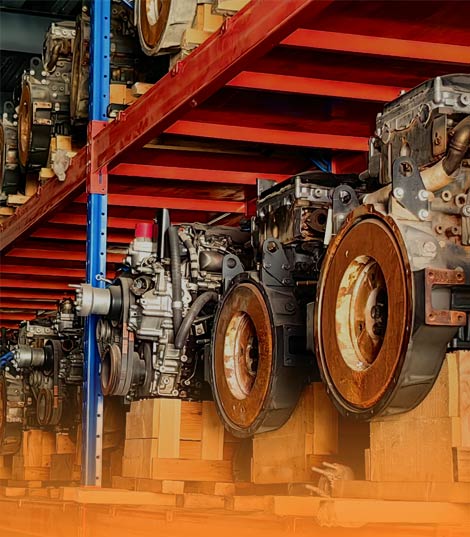
A hydraulic return filter is the consumable element that cleans hydraulic oil as it flows back to the reservoir, and catalog reference 20Y-62-21320 is one commonly quoted reference for a return-line filter on a 20-ton-class hydraulic excavator. The filter sits in the return line after the main control valve and before the tank, so every particle produced by pumps, valves, cylinders and motors passes through its media before the oil is reused. Its job is simple to state and critical in effect: trap wear debris and ingested dirt, hold the oil at a target cleanliness level, and keep that contamination from being pumped back into precision components. If you are reading this because a filter warning light has appeared, because the oil looks dark or milky, or because you are planning a scheduled service and want to know which element to fit, the short answer is: change the return filter on the hour interval specified for your machine, confirm the micron rating and bypass setting against the old element, and treat the filter as cheap insurance for a pump that costs many times more. This guide explains what the return filter does, how to read a reference such as 20Y-62-21320, how filtration ratings work, the symptoms of a clogged or wrong element, how to choose a replacement, and how to change it without letting dirt into the system. The reference is used only as a representative catalog number for this class of part; no equipment or component brand is named.
Why does this consumable attract so much search demand? Because hydraulic filters protect every component downstream, and their demand grows with fleet age and working severity. Field maintenance data shows that machines with timely filter changes experience sharply lower pump failure rates, while each escalation in oil contamination accelerates pump and valve wear several times over. A return filter costs a small fraction of the pump it protects, which makes it the cheapest insurance an owner can buy, and the trend is toward higher-efficiency media and shorter change intervals in severe duty. A search for a hydraulic return filter is rarely idle browsing: it is a signal that a restriction warning has appeared, that a service interval has arrived, or that a buyer wants to verify a cross reference before ordering. Buyers increasingly pair the part name with the reference, the micron rating and the bypass setting, because they have learned that a filter which looks identical in a photograph can have a completely different efficiency and pressure behaviour inside the housing. This guide is written for that buyer: the owner, fleet manager, technician or parts buyer who wants the correct element, a clear diagnosis and a change that restores oil cleanliness.
What a Hydraulic Return Filter Is and What It Does
The Return Line as the Collection Point for Contamination
A hydraulic return filter is a filter element placed in the line that carries oil back to the reservoir after it has done its work. On a 20-ton-class hydraulic excavator the return flow collects from the main control valve, the cylinder ports and the motor cases, and it carries the debris generated by normal wear: fine metal particles from pumps and valves, fragments from seal degradation, and grit that enters past cylinder rods or through a breathable tank cap. The return element strips those particles out before the oil re-enters the tank, so the pump draws clean fluid on the next cycle. This position makes the return filter the collection point for the whole circuit rather than for one component. It is usually rated for a moderate pressure, because the return line is downstream of the work circuit, and it is built as a spin-on canister or a drop-in element inside a housing. Understanding the return filter as system-wide protection explains why a single neglected element can shorten the life of several expensive components at once.
The filter works by forcing oil through a porous medium that retains particles while passing fluid. Common media include cellulose paper, pleated paper, microglass and synthetic fibre, each with a different balance of efficiency, dirt-holding capacity and moisture resistance. As the element loads with contaminant, the pressure difference across it rises, and most return housings include a bypass valve that opens at a set pressure to keep oil flowing rather than starve the system. A bypass that opens means unfiltered oil is circulating, so the warning is a service prompt, not a permission to keep working indefinitely. The element does not make oil new: it holds the cleanliness level steady until its capacity is used up. A return filter that is changed on time keeps the oil within its target cleanliness class, while one left too long lets contamination climb and wear accelerate across the whole hydraulic system.
Why the Reference 20Y-62-21320 Matters
A catalog reference such as 20Y-62-21320 is not a decorative label. It identifies one specific combination of micron rating, media type, flow capacity, bypass setting, thread or housing fit, and overall dimensions for a particular return-line application. A filter with a finer rating than specified may restrict flow and cause an unnecessary pressure drop; one with a coarser rating will let damaging particles pass. A canister with the wrong thread will not seal on the housing stud, and one with the wrong length will not fit the space. Even where two filters look identical from the outside, the internal media and the bypass calibration can differ substantially, so efficiency and cold-start behaviour are not the same. The reference is the anchor that lets a supplier confirm all of these details before dispatch. Read the number from the old element or the service record, quote it in full including any suffix, and do not rely on a photograph alone.
Searches for a specific filter reference carry a practical meaning that is easy to miss. The same machine model can be built with more than one hydraulic configuration across production batches and markets, so a supplier who ships by description alone will frequently send an element that is technically a hydraulic filter but functionally the wrong one: a different micron rating, a lower bypass setting that opens early on cold starts, or a canister that fits the stud but not the housing cavity. Treating the full reference as the specification, rather than as a loose hint, is what separates a same-day service from a week of returns and freight claims. It is also the anchor for the items usually changed alongside the return element: the pilot filter, the suction strainer, the tank breathers and, at longer intervals, the hydraulic oil itself. A buyer who quotes the full reference can plan the whole filtration service in one order, which is almost always cheaper than discovering a second worn element after the first has been fitted.
Hydraulic Return Filter Specifications at a Glance
The figures below are typical published ranges for a return-line element in the 20Y-62-21320 class, given as planning guidance rather than universal values. Always confirm the exact micron rating, flow capacity, bypass setting and dimensions against your machine’s service record and the old element before ordering, because the correct specification for your serial number is the only one that matters.
| Attribute | Typical specification | Why it matters |
|---|---|---|
| Reference example | 20Y-62-21320 return-line element | Anchors fit and filtration rating |
| Element type | Spin-on canister or housed drop-in | Decides how the service is done |
| Micron rating | Usually 10-25 micrometres on return lines | Sets the particle size retained |
| Filtration efficiency | Beta ratio often quoted at beta ten | Describes capture efficiency, not just size |
| Media | Cellulose, microglass or synthetic fibre | Affects efficiency and dirt-holding capacity |
| Flow capacity | Matched to return flow, commonly tens of L/min | Prevents restriction and pressure drop |
| Bypass setting | Typically around 20-36 psi by application | Must match the housing requirement |
| Dirt-holding capacity | Often 15-30 grams per service on heavy duty | Decides how long the element lasts |
| Change interval | Return line roughly every 500-1000 hours | Keeps oil within its cleanliness class |
| Service check | Restriction indicator or differential pressure | Warns before the bypass opens |
| Target cleanliness | Commonly around ISO 18/16/13 on return lines | A measurable goal for oil condition |
| Related items | Pilot filter, suction strainer, breathers | Usually serviced at the same time |
Read the micron rating and the beta ratio together rather than separately. The micron rating names a particle size, while the beta ratio tells you what fraction of particles at that size the media actually captures; a filter described as ten micrometres can be mediocre or highly efficient depending on that ratio. Read the bypass setting alongside the flow capacity as well, because a valve that opens too early lets dirty oil circulate in cold starts, while one set too high can allow an excessive pressure drop before protection is triggered. This is why the reference and its calibration matter more than the outside shape: two canisters that screw onto the same stud can produce very different oil cleanliness, and the correct one is the specification in your service record.
How a Return Filter Fails and the Symptoms to Read
Clogging, Bypass and the Restriction Warning
A return filter does not usually fail suddenly; it loads gradually until it can no longer pass flow at an acceptable pressure difference. As contaminant builds, the restriction indicator or differential-pressure switch signals that the element is nearing the end of its capacity. If that warning is ignored, the bypass valve opens and oil returns to the tank without being cleaned, so the oil cleanliness class climbs and wear accelerates across the pump, valves and cylinders. A machine may show slower response, higher oil temperature or unusual noise as a consequence, but by then the contamination has already circulated. A clogged element is therefore a routine finding rather than a defect in the filter: it is doing exactly what it was designed to do, and the correct response is a timely change rather than a larger or finer element chosen by guesswork.
Wrong Rating, Cold Starts and Premature Opening
A second group of problems comes from a filter that is not matched to the circuit. An element that is too fine for the available flow creates a high pressure drop and may drive the bypass open during a cold start when the oil is thick, so the machine runs with unfiltered oil precisely when wear risk is highest. An element with a lower bypass setting than the housing expects opens early and has the same effect. An element that is too coarse passes the particles that matter most, and the oil never reaches its target cleanliness class. In each situation the filter looks sound and the machine may appear to work normally, which is why the specification on the old element should always be compared with the new one before fitting. A mismatch is a purchasing error, not a maintenance event, and it is entirely preventable.
How to Check Oil Cleanliness and Filter Condition
The simplest check is visual and behavioural. Look at the restriction indicator after the machine has reached working temperature: a warning that persists suggests a loaded element, while a warning that appears only during cold starts points to a bypass or viscosity issue. Draw an oil sample into a clear container and compare it with a known clean sample: dark, gritty or milky oil signals contamination, water ingress or a filtration problem that needs investigation. Check the element itself at service: a canister that is collapsed, dented or coated with metal particles indicates that the filter has been working hard or that the bypass has been operating. Note the hours and the condition in the service record so the next interval can be adjusted to the actual duty rather than a generic figure.
For a fleet, the most useful test is an oil analysis report that counts particles by size and reports the cleanliness class. A result that stays within the target band confirms the filtration service is working; a result that climbs between changes points to ingeston, a bypass problem or the wrong element. Sampling should be done from a live line or a proper sample port with a clean bottle, and the same procedure should be used each time so results can be compared. Combine the report with the restriction history and the hours since the last change, and you can set an interval that reflects the machine’s real operating conditions. This approach turns filter changing from a calendar habit into a measured maintenance decision.
Choosing the Right Hydraulic Return Filter
Matching Micron Rating, Flow and Bypass
The first thing to match is the filtration specification, not the canister size. Confirm the micron rating, the media type, the flow capacity and the bypass setting printed on the old element and in the service record. A return line generally uses a rating in the ten-to-twenty-five micrometre range, but the exact value depends on the circuit and the target cleanliness class, so the machine’s own specification takes precedence over any general guidance. Confirm the flow capacity meets the return flow, and confirm the bypass setting matches the housing, because a mismatch here changes the behaviour of the whole system. A supplier who asks for these figures before quoting is doing the check that matters.
Physical fit is the second half of the match. Confirm the thread form or the housing seat, the overall length, the outside diameter and the seal type, then compare the new element against the old one on the bench before fitting. Check whether the supply includes the seals and whether the housing itself needs inspection, because a damaged seal or a warped housing will let unfiltered oil bypass the media even with a new element fitted. The safest approach is to order by the full reference, verify the rating and bypass against the old element, and state the machine’s serial so the supplier can confirm the application. A few minutes of comparison catches the wrong-part problem before the housing is opened.
Efficiency, Dirt Holding and Media Choice
Two filters with the same micron rating can perform very differently. Efficiency is described by the beta ratio, which measures how many particles at a given size pass through the media; a higher beta ratio means fewer particles pass and cleaner oil results. Dirt-holding capacity matters just as much, because an element with a small capacity reaches its bypass point early even when its efficiency is high. On heavy-duty machines an element may collect fifteen to thirty grams of contaminant per service, and a media with higher capacity will hold that load for longer. For machines working in dust or abrasive conditions, microglass or synthetic media usually outperform cellulose paper, which degrades faster when wet and holds less dirt.
Build quality still varies between suppliers. Look for a canister with a sound end cap, a centre tube that will not collapse under the expected pressure difference, a seal made from a material compatible with your hydraulic fluid, and a published beta rating rather than a vague efficiency claim. Ask the supplier to state the micron rating and bypass setting explicitly, and treat a broad fitment claim as a warning sign. A cheap element may appear to work for one interval and then load early or shed fibres, which is why the specification behind the reference is worth more than the lowest price. A few minutes of deliberation here avoids an unplanned service and the downtime that comes with a contaminated circuit.
How to Change a Hydraulic Return Filter Safely
Preparing, Cleaning and Draining
Changing a return filter is straightforward, but it rewards cleanliness. Park the machine on level ground, lower all attachments, shut down the engine and cycle the controls to release stored pressure. Clean the area around the filter housing with a cloth and a non-corrosive cleaner before opening anything, because loose dirt around the cap is the most common source of contamination during a service. Place a tray beneath the housing to catch residual oil, and note the orientation of the old element and its markings before removal. If the element is a spin-on canister, use a suitable strap wrench rather than a chain tool that can crush the shell. Work deliberately: the few minutes spent cleaning the surroundings protect the clean side of the circuit.
Once the old element is off, inspect the housing and the sealing surface. Wipe away sludge and metal particles, check that the bypass valve moves freely, and look for cracks, dents or a warped sealing face that could let oil bypass the new media. Confirm that the old element’s part number, micron rating and bypass setting match the replacement you are about to fit. If the filter has collapsed or shows heavy metal debris, record that finding and consider sampling the oil, because it may indicate a developing wear problem elsewhere. A filter change is also a useful inspection point: the condition of the element tells you something about the health of the whole hydraulic system.
Fitting, Priming and Checking
Fit the new element with a fresh seal, lightly oiled and seated squarely, and tighten the canister to the torque stated by the housing manufacturer rather than by feel. An overtightened canister distorts the seal and is difficult to remove at the next service; a loose one can weep or work loose under vibration. Refill the housing if the design requires it, then start the engine at idle and let the system circulate for a few minutes while watching the filter housing and the restriction indicator. Check for leaks around the seal and confirm that the warning clears once the oil reaches working temperature. Top up the reservoir to the correct level with the specified fluid, and dispose of the old element and oil according to local requirements.
After the change, record the date, the machine hours and the reference of the element fitted so the next interval has a baseline. Check the housing again after the machine has been worked for a shift, because a seal that settles can weep after the first heat cycle. If the restriction warning appears early, do not assume the new element is faulty: check the oil viscosity at startup, confirm the rating and bypass setting are correct, and inspect for a blocked return line or a sticking indicator. A systematic check avoids replacing good parts and gets to the real cause faster. A filter change done carefully restores oil cleanliness in under an hour and protects components that cost many times more.
Frequently Asked Questions About Hydraulic Return Filters
When should a hydraulic return filter be changed?
Change the return element at the interval specified in the machine’s service record, commonly around every 500 to 1000 hours for a return line, and sooner when the restriction indicator shows a persistent warning or the oil analysis reports a rising contamination class. Severe duty in dust or high heat justifies a shorter interval. Always fit a fresh seal with the element, and check the old filter for metal debris so a developing wear problem is not missed. A filter that is replaced on time is far cheaper than a pump repaired after contaminated oil has circulated.
Can I use a finer filter to get cleaner oil?
Not without checking the flow and bypass. A finer element increases pressure drop and may drive the bypass open during cold starts, so oil circulates unfiltered when the machine is most vulnerable. The correct rating is the one specified for the circuit and its target cleanliness class, usually in the ten-to-twenty-five micrometre range on return lines. If you want cleaner oil, choose a higher-efficiency media at the specified rating rather than a finer rating, and confirm the change with an oil analysis report.
What does the bypass valve actually do?
The bypass valve protects the system from oil starvation when the element is clogged or the oil is too thick to pass through it. It opens at a set pressure and lets oil flow around the media so the pump is not starved and the housing is not damaged. When it opens, filtration stops, so the warning should be treated as a prompt to service the filter. The setting must match the circuit requirement: a valve that opens too early allows dirty oil to circulate, while one set too high permits an excessive pressure drop.
What is a beta ratio and why does it matter?
A beta ratio describes how efficient a filter is at capturing particles of a given size. A beta value at ten micrometres of one hundred means that only one particle in a hundred passes through, which is far more effective than a filter with a low beta value at the same nominal rating. The micron rating alone does not tell you this. When choosing an element, ask for the published beta rating and compare it with the specification on the old filter, because two elements with the same micron number can deliver very different oil cleanliness.
Can I clean and reuse a hydraulic filter element?
Reusable suction strainers can be cleaned, but most return-line elements are disposable and are not designed to be washed. Cleaning can damage the media, change the efficiency and leave the element with a rating you can no longer trust. The cost of a new element is small compared with the risk of a filter that silently stops protecting the circuit. Treat a return filter as a consumable and replace it with a fresh seal at the specified interval.
What does water or milkiness in the oil mean?
Milky oil indicates water ingress, commonly through a failed cooler, a leaking seal or condensation in the tank. A return filter removes solid particles but does not remove dissolved water, so a filter change alone will not fix the problem. Find and stop the source of water, then change the oil and the filters according to the supplier’s guidance. Running with water-contaminated oil reduces lubricity, corrodes components and shortens the life of the entire hydraulic system.
Why did my new filter warning light come on early?
An early warning can mean the oil is cold and thick at startup, the element rating or bypass setting is wrong, the return line is restricted, or the indicator itself is sticking. Confirm that the fitted element matches the old one, check the oil grade for the ambient temperature, and allow the system to reach working temperature before judging the warning. If the light persists after a proper warm-up, inspect the indicator and the return line rather than changing the filter again.
Is a hydraulic return filter the same as a suction filter?
No. A suction filter sits before the pump and protects it from large debris, using a coarse rating and a design that avoids restricting pump inlet flow. A return filter sits after the work circuit and cleans the oil before it returns to the tank, capturing the finer particles generated during operation. Both matter, but they are not interchangeable, and each has its own rating and change interval. A complete filtration service includes the correct element in each position.
How much contamination can a filter hold?
Dirt-holding capacity varies with the media and the size of the element. On heavy-duty construction machines a return element may collect roughly fifteen to thirty grams of contaminant over a service interval before the pressure difference reaches the bypass point. A higher-capacity medium, such as microglass or synthetic fibre, holds more dirt than cellulose paper and lasts longer under the same load. Capacity matters as much as efficiency, because even a highly efficient filter stops protecting once it goes into bypass.
Planning the Filtration Service
What to Confirm Before You Order
A sound filter order starts with the reference and ends with the whole service kit. Quote the full filter number, confirm the micron rating, flow capacity and bypass setting, and include the seals required for the housing. If the pilot filter, suction strainer or breathers are due at the same hours, order them together so the machine returns with a complete filtration service rather than a single element. This costs a little more on one invoice and saves repeated downtime and freight across the season.
Confirm five things before any return filter is dispatched. First, the full catalog reference including any suffix, read from the old element and checked against the service record. Second, the micron rating and the published efficiency, so the oil reaches its target cleanliness class. Third, the flow capacity and bypass setting, so the element behaves correctly at cold start and under load. Fourth, the physical fit: thread or seat, length, diameter and seal type. Fifth, the related consumables to be changed at the same service. State all five in the enquiry with consistent units, and ask the supplier to confirm the application against your machine’s serial rather than a general model description. A supplier who states the rating and bypass explicitly has checked the fit; one who offers a broad fitment claim has not.
A Practical Decision Rule
The wider lesson is that the hydraulic return filter is a measured part, not a guess. Its efficiency is published, its condition can be watched through a restriction indicator, and the cost of changing it on time is tiny compared with the damage contamination causes to a pump or valve. Fleets that record the reference and hours at each change, sample the oil periodically and keep the correct elements in stock turn a routine consumable into a controlled maintenance item. The rule in one paragraph is short: watch the restriction warning, confirm the rating and bypass against the old element, change the filter and seal at the specified hours, clean the housing before opening it, and verify the oil cleanliness after service. Do that and the return filter stops being an afterthought and becomes what it should be, a cheap, planned element that keeps the entire hydraulic circuit clean. The reference used in this guide is representative; always confirm the correct part against your own machine before placing an order.