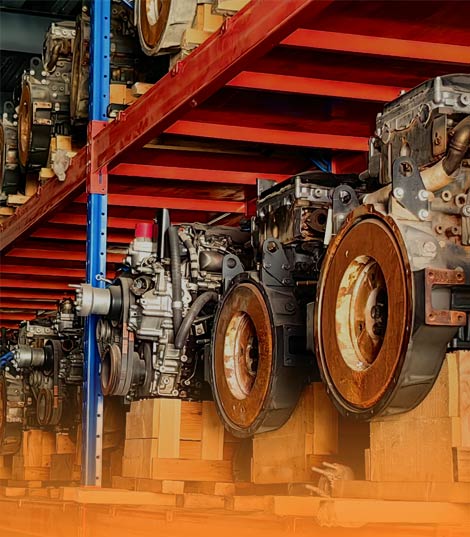
Emission regulation is the quiet force reshaping the excavator industry. Every few years, a new rule takes effect and every machine sold after that date must meet it, which changes the engines being built, the parts those engines need and the value of every machine already in the field. In 2026, three regulatory tracks are converging: the European Stage V standard now applies across the full power range, the United States EPA Tier 5 rules for non-road diesel engines have taken effect, and China’s Stage IV standard is being enforced on new non-road machinery with a Stage V draft standard already circulating for public comment. For owners and parts buyers, this is not an abstract policy story. It determines which filters, sensors and aftertreatment components your machine needs, how much they cost and how long they last.
The Three Regulatory Tracks of 2026
EU Stage V: The Global Benchmark
The European Union’s Stage V standard, fully phased in across all engine power categories since 2022, remains the world’s strictest non-road emission regulation in practical terms. Stage V added particulate number limits that effectively require diesel particulate filters on virtually all new machines, and it set durability requirements that make the engine and its aftertreatment system a single, integrated compliance unit. By the second quarter of 2026, all newly type-approved engines in the EU must meet Stage V requirements, and the practical consequence is that DPF and SCR systems are now standard equipment on every new excavator sold in Europe.
EPA Tier 5: The New American Standard
The United States Environmental Protection Agency’s Tier 5 rules for non-road diesel engines took effect on January 1, 2026. Tier 5 tightens particulate and NOx limits beyond the Tier 4 Final standard that has governed American machines since 2014, and it adds in-use monitoring requirements that push the industry toward connected, telematics-equipped machines. For excavator owners in North America, Tier 5 means new machines carry more sophisticated aftertreatment, more sensors and stronger diagnostic requirements, and it raises the value of well-maintained Tier 4 machines, which will remain legal and productive for years.
China Stage IV and the Stage V Draft
China’s Stage IV standard (GB 20891-2023), implemented for non-road mobile machinery, requires SCR and DPF technology on new machines and brings Chinese emission requirements close to international benchmarks. In June 2026, China’s Ministry of Ecology and Environment released the draft of the fifth-stage standard for public comment, signaling that China will continue tightening non-road emission limits in step with Europe and the United States. For the large installed base of Chinese-built excavators working across Asia, Africa and Latin America, these rules shape which machines are sold into which markets and what parts those machines need.
What the New Rules Do to Machine Costs
Emission compliance has a measurable price tag. Industry analyses of the Stage V and Tier 5 platforms estimate that base unit pricing increases by roughly 7 to 12 percent compared with previous-generation machines, driven by the cost of high-pressure fuel systems, cooled EGR, DOC, DPF and SCR components, and the sensors and controllers that manage them. Mandatory telematics integration can add USD 1,800 to USD 3,200 per unit, and annual maintenance budgets for fleets of more than 20 machines can rise by 15 to 22 percent as aftertreatment service becomes routine rather than exceptional.
These costs do not end at the showroom. Aftertreatment components are consumable in a practical sense: diesel particulate filters load with ash and must be regenerated and eventually cleaned; DEF (diesel exhaust fluid) is a recurring operating cost; NOx sensors, DPF pressure sensors and temperature sensors fail and must be replaced; and the dosing system, pump, injector and lines, requires its own maintenance. The total cost of ownership of a modern, compliant machine includes a permanent parts stream that older machines never had.
The Parts That Emissions Rules Created
Diesel Particulate Filters (DPF)
The DPF is the centerpiece of modern emission control. It traps particulate matter from the exhaust and periodically burns it off through regeneration. DPFs load with ash over time, especially in machines that operate at low loads or in idle-heavy duty cycles, and they eventually require cleaning or replacement. DPF cleaning services and replacement filters are now a mainstream parts category, and the trend in 2026 is toward proactive DPF management rather than failure-driven replacement, since a plugged DPF can derate the machine or trigger expensive regeneration events.
SCR Systems and DEF Components
Selective catalytic reduction systems inject DEF into the exhaust to convert NOx into harmless nitrogen and water. The SCR system includes the dosing module, pump, injector, tank, heater and NOx sensors, and each of these components has a finite service life. NOx sensor failure is one of the most common emission-system faults in the field, and dosing injector coking is a well-known failure mode in high-sulfur fuel environments. Every one of these components is now a standard aftermarket parts category.
DOC and Oxidation Catalysts
Diesel oxidation catalysts sit upstream of the DPF and help manage exhaust temperatures and hydrocarbon emissions. They are long-lived but not immortal, and catalyst degradation eventually affects regeneration efficiency. Replacement DOCs are a growing part of the aftermarket, particularly for machines working in severe duty.
Fuel Systems and High-Pressure Injection
Modern emission standards depend on precise fuel metering, which has made high-pressure common rail fuel systems more important and more sensitive. Injectors, fuel pumps, pressure sensors and fuel filters are now high-demand parts, and fuel quality has become an operational requirement rather than an option. Water-contaminated or low-quality fuel that was merely annoying on an older machine will cause injection failures, DPF issues and derates on a compliant machine.
Telematics and Diagnostic Components
The new regulations have made the machine’s electronics part of its emission control system. Engine controllers, exhaust temperature sensors, DPF pressure sensors, NOx sensors and the wiring that connects them are now compliance-critical parts. Diagnostics, fault codes and remote monitoring are the new maintenance frontier, and parts suppliers increasingly need to support the electronic side of the machine, not just the mechanical side.
What Owners of Older Machines Should Know
New rules do not make existing machines illegal. A Tier 4 Final machine remains legal to operate in the United States, a Stage IV machine remains legal in China, and Stage IV or earlier machines remain legal in the EU for their operational life. The practical effects of new rules on the used fleet are threefold. First, the value of well-maintained compliant machines holds up well, since they can be operated for years before any requirement to upgrade. Second, machines without DPF and SCR become increasingly attractive in markets without emission enforcement, and many are being exported to those markets in growing numbers. Third, the parts market for older machines remains strong and specialized: buyers of non-compliant or older-compliant machines need conventional engine parts, injection components and exhaust systems that are no longer fitted to new machines, which is exactly the kind of catalog coverage that a broad aftermarket supplier can provide.
Maintenance Practices That Protect Compliant Machines
Fuel Quality and Filtration
Fuel quality is the first line of defense for emission systems. Water separators, fuel filters and correct fuel specifications prevent the injector, pump and DPF problems that dominate emission-system failures. In 2026, premium filtration is not optional for compliant machines; it is the cheapest protection available.
DPF Regeneration Management
Owners should understand the machine’s regeneration strategy. Passive regeneration during high-load operation is ideal; active regeneration, where the engine raises exhaust temperature to burn off soot, consumes fuel and should be allowed to complete when initiated. Machines that spend long hours idling or working at light load need more active regeneration cycles, and DPF ash cleaning becomes part of the maintenance schedule rather than an emergency repair.
DEF Quality and Handling
DEF must meet ISO 22241 specifications and be handled correctly. Contaminated or expired DEF can damage the SCR system, and the dosing injector can coke if the machine is run dry of DEF. Checking DEF quality, tank condition and dosing system health should be part of every service interval on a compliant machine.
Sensor and Wiring Care
Emission-system sensors live in a hostile environment: high temperature, vibration and contamination. Wiring chafing, connector corrosion and sensor fouling are common causes of fault codes and derates. Simple maintenance, protecting harnesses, cleaning connectors and replacing sensors at the first sign of drift, prevents the diagnostic chaos that follows an emission-system fault.
Sourcing Emission-System Parts in 2026
Emission-system parts demand a different sourcing discipline than conventional engine parts. Five points matter most. First, verify the exact emission standard of the machine, since a Stage V DPF is not interchangeable with a Tier 4 or Stage IV unit, and even within the same standard, filter and sensor part numbers vary by engine build. Second, use the machine and engine serial numbers when ordering; aftertreatment part numbers are tightly linked to specific engine calibrations. Third, prefer genuine-spec components for sensors and dosing parts, since these interact with the engine controller and cheap imitations can cause fault codes, derates or compliance failures. Fourth, plan for DPF cleaning as a service, not just a part, and establish a relationship with a provider before the machine needs it. Fifth, work with a supplier who understands the whole emission system, engine, aftertreatment, fuel and electronics, because failures rarely respect component boundaries.
The Outlook: Regulation as a Permanent Market Force
Emission regulation is not a one-time event; it is a ratchet that only turns one way. The draft China Stage V standard, the continued tightening in Europe and the in-use monitoring requirements of EPA Tier 5 all point in the same direction: machines will become more electronically controlled, more instrumented and more dependent on sophisticated parts. For the aftermarket, this is a durable growth story. Every new compliant machine sold adds a permanent stream of filter, sensor, aftertreatment and diagnostic parts demand, and the installed base of compliant machines grows every year.
At the same time, the conventional parts market remains essential. The world still operates millions of machines built to earlier standards, in markets with and without strict enforcement, and those machines need dependable engine, hydraulic and undercarriage parts for decades. The parts suppliers that thrive through the 2026 transition will be those that cover the full spectrum: conventional components for the existing fleet and compliant components for the new one.
Emissions Compliance in Practice: Fleet-Level Strategies
Fleet managers in 2026 are developing explicit strategies for the emission transition rather than reacting to it machine by machine. The most common approach is segmentation: machines are classified by regulation class and operating environment, with compliant machines assigned to regulated or urban work and older machines deployed where regulation does not reach. This segmentation protects the value of both machine groups and concentrates maintenance spending where it matters most.
Compliance Budgeting and Parts Planning
Compliant fleets require a different budgeting rhythm than conventional fleets. DEF consumption, DPF cleaning cycles, sensor replacement intervals and aftertreatment service are now predictable line items, and the best fleet managers budget for them as scheduled costs rather than surprises. Parts planning follows the same logic: the aftertreatment parts that will be needed over a machine’s service life can be forecast from operating hours and duty cycle, and stocking them ahead of need converts emergency repairs into planned service.
Working with Mixed Fleets
Most fleets in 2026 will be mixed: Stage V machines working beside Tier 4 machines and older units, in markets with and without enforcement. The parts strategy for a mixed fleet requires a supplier whose catalog covers all the emission generations the fleet operates, because a Stage V DPF, a Tier 4 sensor and a pre-emission engine part are all in service in the same fleet. Suppliers with broad catalog coverage and cross-reference capability make mixed-fleet parts management practical.
The Used Machine Market and Emission Rules
Emission regulation is reshaping the used excavator market in ways that parts buyers should track. Compliant machines in good condition hold their value well, because they can be operated in any market for years. Pre-compliant machines are being exported to markets without strict enforcement, often at attractive prices, and the parts they need, conventional engine parts, injection systems and exhaust components, are increasingly sourced from the aftermarket rather than the OEM. The result is a vibrant two-track used market: premium compliant machines for regulated work and economical pre-compliant machines for unrestricted markets.
For buyers of used machines, the emission class of the machine is now a first-order purchase consideration. A machine’s emission class affects its resale value, its operating cost, its parts stream and the markets where it can legally work. Buyers should verify the machine’s emission class from its documentation before purchase, understand the compliance costs of its aftertreatment system and factor both into the purchase decision. Sellers, for their part, are increasingly preparing compliance documentation as part of the sale, and machines without clear documentation are being discounted accordingly.
Regional Compliance and the Global Parts Supply Chain
The global nature of the emission transition complicates parts supply. A machine built to Stage V for Europe, a machine built to Tier 4 for North America and a machine built to Stage IV for China may share the same chassis but carry completely different aftertreatment systems. Parts suppliers must map the emission configuration of every machine they support, and buyers must be precise about the machine’s regulation class when ordering. Cross-border parts flow is further complicated by the fact that a part valid for one emission class may be illegal or ineffective in another, which makes the supplier’s catalog discipline a compliance matter, not just a convenience.
The trend toward in-use monitoring, a feature of EPA Tier 5 and emerging in other jurisdictions, adds another layer: machines may report emission-system health remotely, and fleet operators will increasingly need diagnostic support that spans the machine, its telematics and its aftertreatment parts. Suppliers who invest in this integrated capability, parts plus diagnostics plus compliance knowledge, are positioning themselves for the next decade of the market.
Emission Parts Quality: Why Genuine-Spec Matters
The quality discipline for emission-system parts is stricter than for conventional parts, because aftertreatment components interact with the engine’s control system. A DPF with the wrong substrate, a NOx sensor with incorrect calibration or a dosing injector that does not match the system’s specifications can trigger fault codes, derates or compliance failures, and the labor cost of diagnosing these problems far exceeds the price difference between a genuine-spec part and a cheap imitation. The parts buyers who understand this will pay attention to specification documentation, testing evidence and warranty terms when sourcing emission parts.
For aftertreatment consumables like DEF, the specification matters at the molecular level. DEF must meet ISO 22241 requirements for urea concentration, purity and particle content, and counterfeit or contaminated DEF is a documented cause of SCR system damage. Buyers should source DEF from suppliers with verifiable quality control and should be suspicious of pricing that seems too good. In emission systems, as in life, the cheap shortcut is usually the expensive mistake.
Fuel Quality: The Hidden Variable in Emission Compliance
No single factor undermines emission systems faster than poor fuel quality. Modern high-pressure injection systems operate at pressures where even small contaminants cause injector damage, and sulfur content above specification poisons catalysts and loads the DPF. The 2026 guidance from every major engine manufacturer is the same: use fuel that meets the local specification for the machine’s emission class, and verify it at the source, because a single tank of bad fuel can create a cascade of emission-system failures that takes weeks to unwind.
Water and Cold-Weather Management
Water in fuel is a chronic problem that emission systems make acute. Water promotes microbial growth, corrodes injection components and can freeze in fuel lines in cold climates, causing start failures that get misdiagnosed as injection or emission faults. Water separators and drainable fuel filters are essential on compliant machines, and draining them on schedule is a maintenance habit that prevents expensive surprises. In cold regions, fuel additives and heated filtration are part of the winter operating plan for every serious fleet.
Lubricity and the Ultra-Low-Sulfur Tradeoff
Ultra-low-sulfur diesel, required for modern aftertreatment, has reduced natural lubricity, which increases wear on injection pumps and injectors in older machines designed for higher-sulfur fuel. This is the hidden cost of the emission transition: the same fuel that protects new compliant machines accelerates wear on older ones. Fleet managers running mixed fleets should consider lubricity additives for older machines and should account for the different fuel needs of each machine generation.
Component Selection: Matching Parts to the Emission Generation
The most common sourcing error in the emission era is ordering a part by machine model alone. The same excavator model sold in different markets or in different years carries different emission systems, and a filter, sensor or DPF that fits one build may be completely wrong for another. The correction is simple and essential: order emission-system parts using the machine serial number and the engine serial number, and record the emission class of every machine in the fleet. Suppliers who maintain accurate cross-reference data make this discipline easy; suppliers who do not create risk that no price discount can justify.
Buyers should also plan for the obsolescence that comes with each emission generation. When a new standard takes effect, the previous generation’s parts are no longer fitted to new machines, and their production volumes decline. Over time, some parts move to special-order status, and machines of that generation depend on aftermarket supply. This is the cycle that creates the two-tier aftermarket: OEM support for current-generation machines and genuine-spec aftermarket supply for the previous generations that dominate the installed base.
Racer Machinery is a professional supplier of genuine-spec excavator spare parts covering engine, hydraulic, undercarriage, electrical and work equipment components for major machine brands including Caterpillar, Komatsu, Hitachi, Cummins, Volvo and Hyundai. Our parts range includes fuel systems, filters, injection components, sensors and emission-system parts for both modern compliant machines and the existing fleet. With competitive pricing and worldwide shipping, Racer Machinery supports excavator owners, workshops and dealers in keeping their fleets working. Contact our team with your part numbers for a fast quotation and reliable delivery.