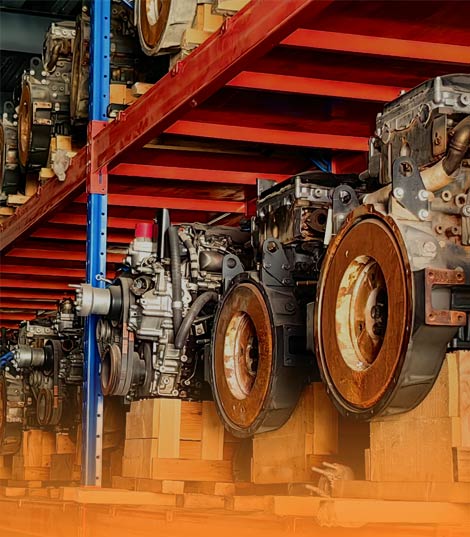
Fan Clutch: A Field Guide to the Cooling Fan Drive That Keeps the Engine Out of the Red
If you read only the category-level numbers, the radiator and the water pump get the glory, but the part that actually decides whether the cooling fan spins hard when the engine is hot and coasts when it is cool is the fan clutch. This article is a field guide to that one component: the drive that engages and disengages the cooling fan so the engine sheds heat under load and stops wasting power when it does not have to. The fleets that win on uptime treat the fan clutch as a specified, temperature-aware, airflow-critical assembly with a hard inspection clock, not as a spinning disc that either works or does not, because as miles and heat cycles pile up, more machines reach the point where a fan clutch either engages true or the engine boils over and the head cracks. The fan clutch is not a passive fitting – it is the throttle of the cooling fan, and understanding it is the difference between a planned fan-drive service and an engine stopped on heat.
The stakes are the whole argument. A fan clutch is the component that couples the fan to the drive when cooling is demanded and decouples it when it is not, balancing engine temperature against wasted horsepower and fan noise. A viscous or thermal clutch does this with silicone that thickens as it warms; an electronic or controlled clutch does it with a signal from the controller. When a fan clutch fails, the loss is rarely just the part: a clutch that never engages lets the engine overheat in traffic or on a grade, a clutch that never releases wastes fuel and roars all day, and a clutch whose bearing seizes locks the fan and belts and can take the water pump with it. That is why fan-drive discipline – correct engagement temperature, correct rotation and airflow, and on-time inspection – pays for itself many times over in avoided overheating and wasted power.
What a Fan Clutch Actually Is
A fan clutch is an assembly of a driving member, a driven member, a coupling medium and a control element, sealed into a hub that bolts to the water pump shaft or a dedicated pulley. In a viscous clutch, the medium is silicone fluid that shears between two plates; as the bimetal coil or thermal spring at the front senses air temperature, it opens or closes a valve that lets the silicone engage, and the fan speed follows the heat. In an electronic clutch, a solenoid or a motor varies the coupling on a command from the controller. The fan is the load, the clutch is the throttle, and a clutch whose valve sticks or whose silicone has leaked is a countdown to a hot engine. When the fan drive is right, the fan pulls air exactly when needed; when the coupling lies, everything downstream reads wrong, from a creeping temperature to a failed belt.
Why It Fails: Silicone Leak, Heat Cycling, Bearing Wear and Airflow Loss
A fan clutch fails for a short, well-understood list of reasons, and they are dominated by heat and contamination rather than by how it was made. The most common trigger is silicone loss: a sealed viscous clutch that develops a leak lets the coupling medium escape, and the fan coasts even when the engine is hot, so the temperature climbs until the head cracks. Heat cycling is the second killer: the constant expansion and contraction of the bimetal and the housing works the seal and the valve until the engagement point drifts. Bearing wear is the third: a clutch whose bearing goes noisy soon locks the fan, and a locked fan can throw a belt or stall the pump. Airflow loss around the clutch – a clogged shroud, a collapsed fan blade, debris packed against the coil – fools the thermal sense so it never calls for cooling. Heat, leak and airflow reinforce each other, and the fan drive is exactly where the cooling system and the rotating mass meet. The bill for ignoring it is an overheated engine and a torn belt.
Reading the Failure Signals Early
The signs of a failing fan clutch are visible during a basic cooling check, if the drive is inspected. The single most reliable check is the temperature and sound correlation: with the engine cold the fan should spin free and quiet, and as it warms the fan should audibly load up and pull hard – a fan that stays silent on a hot engine is a clutch not engaging. The visual check is next: a clutch with silicone weeping from the seam, a discoloured or heat-cracked housing, or a bimetal coil packed with debris tells you the drive is failing. The bearing check confirms the hub spins smooth and quiet with no rumble or play, because a noisy bearing is a clutch about to lock. Visible signs – a seized fan that will not turn by hand, a blade that has contacted the shroud, or a clutch that floods the engine bay with roar at idle – are the field-level early warnings found by hand. Catching these early prevents a cooling item from becoming an overheated engine. A fan that never engages today is a cracked head tomorrow.
Specifications: Engagement Temperature, Rotation, Airflow and Mount
Buying a fan clutch well means understanding a handful of numbers, not the price on the box. The engagement temperature is first – a thermal clutch is set to start coupling at a defined air or coolant temperature, and a clutch set too high lets the engine run hot and too low wastes power and roars. The rotation and blade hand matter next – a clutch and fan must turn the correct direction to pull air through the radiator, and a reversed fan heats instead of cools. The airflow rating must match the engine’s cooling demand, because an under-rated clutch cannot move enough air on a grade. The mount, pilot and bolt pattern decide whether it even fits the water pump or pulley, and the overall depth decides whether the fan clears the shroud. In 2026 buyers have stopped accepting mystery fan drives and started demanding the engagement temperature and the rotation in writing, because a clutch that arrives backwards is the most expensive kind. A part built to the wrong airflow will not cool, and a clutch whose mount is wrong will not bolt on.
Fan Clutch Types: Viscous, Thermal, Electronic and Controlled
The fan-drive family splits by how it is engaged, and each type carries its own discipline. A viscous clutch is the workhorse: silicone-coupled, with no wiring, cheap and rugged, but it responds only to its own thermal coil and drifts as it ages. A thermal clutch adds a faster-responding sensor zone so it engages sooner. An electronic or controlled clutch takes the command from the controller and can fully unlock for fuel saving, ideal on newer machines, but it needs a good signal and a good wiring harness. None is inherently better; the trap is fitting a thermal clutch where the system needs an electronic one, or a clockwise fan on a counter-clockwise drive, because either error makes the cooling lie. Match the type to the machine’s cooling strategy and the rotation to the drive, and the fan does its job.
Sourcing: Match Rotation, Mount, Engagement and Airflow
Buying a fan clutch well means matching it to the drive by specification and material, not to a generic ‘looks about right’. The critical matches are the rotation and blade hand, the pilot and bolt pattern, the engagement temperature, the airflow rating and the overall depth – and the rotation and mount must equal the original or the fan will not fit or will blow hot. On construction, the professional choice is a clutch with a wound bimetal or a sealed electronic valve and a bearing rated for continuous speed, because a cheap clutch with a soft seal leaks silicone and coasts. Reliable suppliers back the part with an engagement-temperature and airflow note before shipment. In 2026 buyers have stopped accepting unknown fan drives and started demanding the rotation and engagement in writing, because a clutch that arrives reversed is the most expensive kind. A part built to the wrong airflow will not cool, and a clutch whose mount is wrong will not seat.
New vs Aftermarket – Match the Specification, Not the Badge
The choice for a fan clutch is not really badge-versus-aftermarket; it is whether the specification is matched. A quality aftermarket clutch built with the same rotation, the same engagement temperature, the same mount and the same airflow as the original can deliver equivalent cooling at a saving against an original part – a real advantage on a component that wears from heat rather than load. The trap is the bargain clutch from a supplier without engagement data, made with a soft seal or a loose bearing, which coasts or locks from installation. The differentiator is whether the supplier can confirm the rotation, the engagement temperature and the airflow, not the label on the box. Buy to the drive’s real specification and verify the supplier stands behind the numbers, because a fan clutch that looks right but is reversed is the most expensive kind.
Installation Discipline
A fan clutch is only as good as its fitment, and fitment has three non-negotiable checks: correct rotation, clean mount and clear shroud. Confirm the rotation and blade hand before fitting, because a reversed fan is the most common cooling mistake. Clean the water-pump shaft or pulley and fit the clutch square with the correct torque, so it runs true and the bearing is not side-loaded. Check the fan clears the shroud with no blade contact, and confirm the shroud is intact so the air is pulled through the core and not around it. Run the engine through a warm-up and confirm the fan loads up as it heats, then re-check for weep and noise while it runs. These are not optional finesse steps; they are the difference between a fan that cools and one that roars and boils. Buyers who pair the right clutch with disciplined fitment get full life; those who rush it buy the same fan drive twice and the overheated engine once.
Climate, Duty and the Cooling Curve
The fan-clutch wear and engagement curve steepens sharply with heat, load and dust. Hot climates and heavy grade work keep the clutch engaged for long stretches, cooking the silicone and the seal; dusty, debris-laden air packs the thermal coil and fools the engagement; and long idle or low-speed duty in heat keeps the demand high while the airflow is poor. Fleets in these conditions should keep the shroud and coil clear of debris, verify the engagement temperature on a schedule, and not let the coolant or the belt drift so the clutch carries the whole cooling load. A machine in a cool, light-duty environment reaches the clutch limit comfortably; the same machine in a hot, heavy, dusty site reaches it far sooner. The climate and the duty, not the hours on the clock alone, are the truest predictors of when the fan drive needs attention, and planning that ignores them is planning an overheated engine.
Storage and Handling Before Fitment
Fan clutches are precision rotating assemblies even before they are fitted. Store them upright, clean and shaded, with the pilot protected and the seal untouched, never dropped or stacked so a bearing takes a hit, because a clutch stored with a dented pilot or a shocked bearing may not run true from installation. Keep the protective wrap until fitting and rotate stock so the oldest fits first. On the bench, confirm the rotation, the mount and the engagement temperature against the drive before lifting, and confirm the fan blade hand matches. The time spent inspecting the part before it goes in is the cheapest insurance against a coasting fan or a locked bearing on the first shift.
The Mistakes That Cost the Most
The recurring errors are predictable. Buying the cheapest clutch with no engagement data, and watching it coast while the engine boils. Fitting a clockwise clutch on a counter-clockwise drive, so the fan blows hot instead of pulling cool. Forgetting to clear the thermal coil of packed debris, so the engagement never calls. Leaving the shroud damaged so the air bypasses the core. Torquing the clutch cocked on the shaft so the bearing side-loads and roars. Skipping the warm-up check and blaming the radiator for a fan that never engaged. Reusing a worn belt so the new clutch is starved of drive. Running the coolant weak so the whole cooling load falls on the fan. Each turns a cheap, planned fan-drive service into an overheated engine, a torn belt and an unplanned shutdown. The discipline that avoids them is simple: match the rotation and mount, confirm the engagement temperature and airflow, keep the coil and shroud clear, torque the clutch true, run the warm-up check and read the temperature at every service so the fan drive is proven, not assumed.
Conclusion
The fan clutch is the throttle of the cooling fan and the part that, more than almost any other cooling component, decides whether the engine sheds heat under load or boils over and cracks its head. A sealed viscous or electronic coupling, vulnerable above all to silicone leak, heat cycling and bearing wear, and carrying a service life measured in the cleanliness of its coil and the truth of its engagement rather than a fixed date, it deserves to be understood as a specified, temperature-aware component rather than a spinning disc. Fleets that match the rotation and mount, confirm the engagement temperature and airflow, keep the coil and shroud clear, torque the clutch true and read the temperature at every service spend less per hour and avoid the overheating and belt failures that strand a machine mid-project. Racer Machinery supplies brand-new fan clutches matched to your drive’s rotational and airflow specification and shipped as consolidated mixed orders to more than one hundred countries, so your next fan-drive programme is scheduled by you and not by an overheated engine.