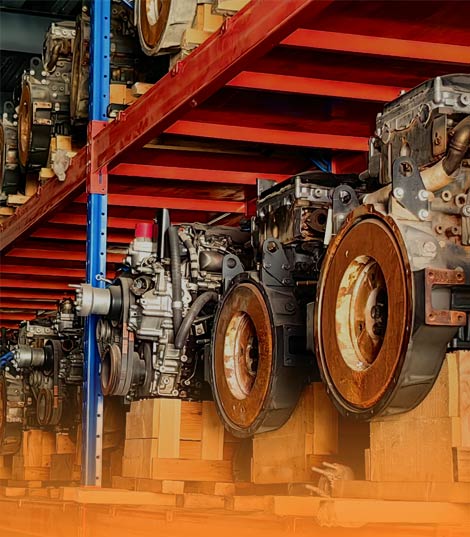
When an owner of a 20-ton-class crawler excavator searches for one working-hydraulic part by itself, ready to stop a dipper that droops, a stick that creeps, or a trench wall that will not hold a clean angle, the arm cylinder – the hydraulic cylinder that pivots the stick between the boom and the bucket – is one of the highest-demand single parts in the excavator aftermarket. The arm cylinder is the actuator that turns pump pressure into the stick’s swing, and it holds the whole digging load through a barrel, a piston, a rod and a seal package every time the machine crowds, lifts and dumps. When an arm cylinder scores its rod, creeps at the eye, weeps from its gland, bends under side load, or loses its stroke speed, the stick will not hold a position, the bucket drifts, the cycle slows, or the hydraulic system begins to waste pressure and heat until a cheap seal job becomes an expensive rod and barrel overhaul. This field guide is about that one part, using the catalog reference 20Y-63-52110 as a representative arm cylinder for a 20-ton-class hydraulic excavator: what it does, how it is built, why it fails, how to read the early warnings, how to measure it, and how to choose and fit a replacement that restores holding power and stroke speed instead of repeating the fault. The reference number 20Y-63-52110 is used here as a representative catalog reference for this class of part; no equipment or component brand is named, only the reference the machine reads.
The demand signal behind the search is easy to read. A crawler excavator does most of its work through the boom, stick and bucket, and the arm cylinder – the cylinder that articulates the stick – takes a large and repeated share of that digging load on every crowd and lift, in rock, clay, frost and broken slab. Field service data puts a large share of hydraulic working-device cost in the cylinders and their seal packages, and arm-cylinder, stick-cylinder and boom-cylinder searches are among the steadiest aftermarket queries, because the cylinders hold the load the linkage only positions. An arm-cylinder search usually means a symptom already exists: a stick that drifts, a rod that weeps, a cylinder that runs slow, or a side of the machine that has begun to lose holding power. It is a higher-stakes single part than a hose clamp, because a failed arm cylinder drains pressure and lets the stick drop a load. The search signal here is about bore, rod diameter, stroke, mount and seal type – not just availability.
What an Arm Cylinder Does and Where It Sits
Position and the Load It Holds
The arm cylinder is mounted between the boom and the stick, with its barrel eye on one member and its rod eye on the other, so that hydraulic pressure extends or retracts the rod and pivots the stick around its boom pivot. The cylinder carries the full crowd and lift load every time the machine digs, so the barrel, the piston, the rod and the rod seal decide whether the stick holds a position under load. What matters for machine behaviour is that the cylinder holds its pressure, its seal and its rod alignment across thousands of load cycles in abrasive and wet ground: a healthy arm cylinder holds the stick steady, extends smoothly and keeps the bucket angle true, because the cylinder is the element that turns pump pressure into digging force instead of heat and drift. It is the component that sets the limit on how hard and how long the stick can work, and it does so with a rod, a piston and a seal that must survive side load, shock, grit and washout every shift. That is why the grade of the rod steel and the quality of the seal are not details – they are the difference between a cylinder that holds for a season and one that creeps within a month.
Why the Reference 20Y-63-52110 Is Searched
The reference 20Y-63-52110, like every arm-cylinder reference, is the key that unlocks the correct combination of bore, rod diameter, stroke, mount distance and seal type for one machine configuration. It is not a cosmetic label; it tells the supplier which barrel the piston runs in, which rod the eye carries, which gland seal the head uses, and which pin and bushing the eyes accept. Reading the reference against the machine’s weight class and serial break is the only reliable first step, because an arm cylinder from the wrong family will not match the eye bore, will not accept the pin, or will sit too long or too short and force the linkage to bind. For a 20-ton-class hydraulic excavator, the reference 20Y-63-52110 points to an arm cylinder sized for that operating-weight band, and that sizing – not the outer shape – is what decides fit, reach and holding power.
How an Arm Cylinder Is Built
Barrel and Piston
An arm cylinder is a honed-steel barrel carried on a piston and a rod, with the piston dividing the barrel into a bore and a rod side so pressure on one side drives the rod out and pressure on the other drives it back. The barrel is the pressure vessel, the piston is the seal that splits the oil, and the rod passes through the head to the eye. Under working load the barrel, the piston seal and the rod carry the entire crowd and lift force through a compact tube, so the metal, the honing and the seal grade decide whether the cylinder holds. An arm cylinder is built heavy against a hard job: a tube asked to contain hydraulic pressure, absorb shock from rocks and frozen ground, and stroke thousands of cycles a day in dust, moisture and washout. That is why the grade of the barrel steel and the quality of the piston seal are not details – they are what keep the cylinder from weeping and creeping within a season.
The Seal and Rod Package
The seals and the rod are the parts that actually keep the cylinder alive. A complete arm-cylinder service package is matched to one specific part, not to a size range: the rod gland seals that keep oil in and grit out, the piston seals that hold pressure across the bore, the wiper that sweeps the rod clean on every stroke, the bushings that carry the side load at the eyes, and the rod that takes the bending. The material matters as much as the fit – a worn or wrong seal lets pressure leak past the piston and the stick drops, while a scored rod destroys the gland from the outside in. A package quoted only as a seal kit is a package that will be fitted twice, because the rod and the bushings are the parts that actually decide whether the cylinder holds. The reference number, not the cylinder’s outer length, is the anchor for ordering the right package.
Reading the Failure Signals Early
Stick Drift or Creep
The first and most obvious signal is drift. An arm cylinder whose stick slowly lowers or rotates when the controls are centred names a piston seal that has begun to leak oil across the bore, so pressure on one side bleeds to the other and the load wins. A creeping stick is a holding-power signal as well as a cycle-time signal, because the cylinder that should lock the stick is instead letting it fall. That slow loss quietly ages the pump and the relief valve, because the system is compensating for pressure it cannot hold. A stick that will not hold a trench angle is a safety and reliability signal too, and it points straight at the piston seal rather than the linkage, especially when the pins and bushings still measure sound.
Rod Scoring or Bending
The second signal is the rod. An arm cylinder whose rod shows scoring, pitting or a bend names a rod that has been hit by grit, side load or impact, and a damaged rod destroys the gland seal it passes through. That uneven running quietly ages the wiper and the gland, because the rod that should glide through a clean seal is instead grinding it. A cylinder with a bent or deeply scored rod is a power-loss and leak signal as well as a cosmetic one, and it points straight at the rod rather than the piston seal, especially when the bore itself still measures straight.
Seal Weep or External Leak
The third signal is weep. An arm cylinder whose rod gland or eye weeps oil has lost a seal, and once the seal is gone the hydraulic oil is bleeding into the dirt and the cylinder is losing the pressure that holds the load. The gland that should keep its oil sealed is instead leaking it past the rod, and a weeping gland is the earliest proof the rod seal is about to fail. Because the fault hides at the head, it is easy to keep topping up oil and hope, but a pressure and drift check of the cylinder usually points back at the seal. Reading the weep as an arm-cylinder signal rather than a topping-up chore is what turns a breakdown into a planned change.
Slow or Uneven Stroke
The fourth signal is motion. An arm cylinder that extends or retracts slowly, or that moves unevenly, names a restriction, an internal leak, or a side load that is binding the rod. The cylinder that should stroke the stick smoothly is instead hesitating, and a slow stroke quietly ages the pump, because the system is pushing harder for less movement. A cylinder that will not reach full stroke is a digging-power signal as well as a speed signal, and it points straight at the bore or the gland rather than the valve, especially when the other cylinders still move freely.
Diagnose Before You Buy
The Key Measurements
The first discipline in arm-cylinder service is to measure before ordering. Confirm the bore, the rod diameter, the stroke, the centre-to-centre mount distance, the eye bore and width, the pin size and the gland seal arrangement. Bore and stroke can vary even between consecutive serial ranges of the same model, so never assume from the badge alone; measure or verify against the reference. A seal kit or a cylinder for an excavator does not exist as a generic size – every arm cylinder is built for one specific linkage, eye and bore, and fitting a boom cylinder into an arm-cylinder position is the classic change mistake because the stroke and the mount differ.
Cylinder Versus Seal Kit Versus Bushed Eye
Separate the cylinder problem from the seal problem from the eye problem. A weep at a gland is not necessarily a bore fault, and a drifting stick can involve a worn piston seal rather than a scored barrel. An arm cylinder that lost its seal rarely did so without help – contamination, side load or a slack linkage will kill the next set too. The right decision compares technical condition, teardown evidence, downtime, risk of recurrence and actual cost, rather than using the price of a seal kit as the only yardstick. If the bore and rod are sound and only the seals are worn, a seal and bushing kit is enough; if the rod is scored or the barrel is worn, the cylinder must be dealt with first.
Repair, Rebuild, or Replace
When a Seal and Bushing Kit Is Enough
Rebuild with a seal and bushing kit when only the seals and the eye bushings are worn, the rod measures within tolerance, and the bore and barrel show no score or wear ridge. The kit is a small cost, the cylinder is resealed and re-bushed with fresh protection, and the repair is measured in hours. On a machine whose cylinder still holds pressure and strokes true, a quality kit matched to the reference restores the cylinder to full service for a fraction of a replacement cost.
When to Rebuild the Cylinder
Rebuild the cylinder when the running elements are worn but the barrel casting is sound. A new rod, a honed bore, a re-chromed or renewed rod, and a fresh seal group can be renewed or reconditioned for far less than a complete cylinder, and reconditioning a sound barrel is cheaper than discarding it. A cylinder with a scored rod or a worn bore needs renewal rather than a hopeful reseal, because a resealed unit on a damaged rod keeps weeping. The decision is driven by what the teardown actually shows, not by the hope that a new seal will hold.
When to Replace the Whole Cylinder
Replace the complete arm cylinder when the barrel is scored beyond hone, the rod is bent or deeply pitted, the eye is cracked or distorted, or the machine must return to work immediately and no reconditioning capacity is available locally. A barrel that cannot hold a piston seal, or a rod that has distorted, is a structural fault that no kit can fix. For high-utilisation machines where downtime cost outweighs rebuild time, a verified new arm cylinder is often the lower-risk choice, because it removes the uncertainty over bore truth, rod grade and seal calibration in one step.
Choosing the Right Replacement
Dimensional and Mount Matching
Buying an arm cylinder well means matching the numbers, not the outer shape. Confirm the bore, the rod diameter, the stroke, the centre-to-centre mount distance, the eye bore and width, and the pin size; bore and stroke can vary even within one model series. Never assume dimensions – measure or verify against the reference and the serial break. A cylinder with the wrong bore, rod or mount will need fitment modifications that introduce fresh risk, so insist on a drawing revision, the reference, verified dimensions and the approved eye pattern before accepting a quote.
Material and Hard Chrome
The running elements are high-grade alloy and honed steel; the rod is hard-chrome plated against scoring, and demanding duty increasingly specifies induction-hardened and thicker-chrome rods for extended life in abrasive and high-impact conditions. The barrel is honed against leakage, because a rough bore leaks past the piston regardless of seal quality. The bushings should be rated for the side load the eye carries, and the rod should be specified for the bending it sees. These are the specifications that decide whether a replacement cylinder holds, and a credible supplier will state them in writing rather than leaving them to the invoice.
Seal Specification
The seals are the first and cheapest line of defence, and a damaged piston or rod seal costs little to replace but prevents far more expensive holding-power loss. The seal set should be rated for the pressure and the speed the arm cylinder sees, and the wiper should be specified for the mud and washout the rod lives in. The seals should be a matched set for the head and the piston, because a single lip in mud and water is a leak waiting to happen. These are the specifications that decide whether a replacement cylinder keeps its pressure, and a credible supplier will confirm them against the reference rather than quoting a generic cylinder.
Documentation
A credible arm-cylinder supplier will provide material records, dimensional inspection and a pressure and drift test report on request. If a supplier cannot produce these, that is a meaningful quality signal. Documentation turns a parts purchase into a verified fit, and it is the evidence that separates a cylinder built to the reference from one that merely looks the part.
Installation Discipline
Clean Before Teardown
Most replacement arm cylinders that fail early are killed during installation, and the causes are all preventable. Clean the rod, the eyes and the surrounding linkage before disassembly to keep grit off the rod and out of the bore; remove the old cylinder without scoring the pin seats or the linkage bores; and inspect every mating surface, pin and bushing for wear, corrosion, deformation and damage. A cylinder fitted into a dirty eye inherits the contamination that killed the last one, and a linkage that has not been cleaned will grind the new rod from the first stroke. Lower and block the stick safely before disconnecting the cylinder, because a working-device repair is a load-handling job, not a bench job.
Torque, Rod Alignment and Breather
Torque the pin nuts and the mount bolts to the printed specification, because an under-tightened eye lets the cylinder walk and an over-tightened one crushes the bushing. Align the rod so the cylinder strokes true to the linkage, and keep the rod breather and the gland clear, because a trapped air pocket or a blocked breather makes the cylinder hesitate and heats the oil. Reuse nothing that has taken a set – every seal, every wiper and every bushing is renewed, because a crushed wiper leaks oil and reads as a failure from the first cycle. Keep the rod clean through the whole fitment, because a single grain of grit on the rod becomes a scored gland.
Test Under Load
After fitment, test the cylinder under load before the machine returns to work. Cycle the stick in both directions, watch for drift, leak and hesitation at every step, and confirm the stick holds a position and the bucket angle stays true. A cylinder that was not matched in bore or stroke will show it here, and a drifting or slow side is the earliest proof the unit is wrong.
Hydraulic Care: The Cheap Insurance
Cleanliness Target
Most arm-cylinder failures trace back to contamination. Fine grit washed onto the rod, or mud packed against the gland, scours the wiper and rides straight into the seal, and once the seal is damaged more grit gets in and the damage accelerates. Match the hydraulic system to the cleanliness discipline the machine specifies, because a clean rod is the cheapest seal protection on the machine. In muddy or abrasive conditions, washing the rod and the gland on a schedule tells more than an oil-change interval alone, and a rod that is wiped clean before every stow lasts far longer than one left caked.
Pressure and Temperature
The system pressure and temperature are the first and cheapest lines of defence, and a relief valve set wrong or an oil run hot costs little to correct but prevents far more expensive cylinder and seal damage. Inspect the cylinder on high-cycle machines, and correct the pressure and the cooling on schedule, because an over-pressured system hammers the seals and a hot oil thins them – that is how sound seals become weeping seals. Train operators on the ground they work too, because an arm cylinder is most vulnerable to rod scoring when the machine crowds into rock and frozen ground at speed.
Storage and Receiving
An arm cylinder on the shelf is a precision hydraulic part, not a tube. Store units in their original sealed packaging, rod-retracted and capped, dry and away from contamination, because a unit whose rod has breathed dusty air or drawn moisture in storage has already used part of its seal and rod life. Before fitting, confirm the reference, the bore, the rod, the stroke and the eyes against the machine’s requirement, and inspect every seal, wiper and bushing for transport damage. A cylinder damaged in storage fails identically to a defective one, and both cost a machine whose stick will not hold.
The Mistakes That Cost the Most
The recurring errors are predictable and expensive. Fitting a new arm cylinder without cleaning the rod and the eyes, and dragging old grit straight onto a fresh gland. Reusing the old seals and wipers, and letting the new unit weep from the first stroke. Fitting the wrong bore or stroke, and handing the machine a cylinder that will not reach full extension. Setting the pin or mount alignment wrong, and handing the machine a rod that side-loads and scores. Ignoring a stick that drifts or a gland that weeps, and passing the new cylinder the same contamination and over-pressure that killed the last one. Skipping the rod and bore inspection, and fitting a kit over a scored rod. Fitting the lowest-price tier with no dimensional record and no pressure test, and finding the drifting stick after the machine is back on the job. Each turns a planned arm-cylinder change into a repeat failure or a stick that will not hold a load. The discipline that avoids them is simple: read the reference, measure the bore and rod, confirm the stroke and eyes, renew every seal and bushing, clean the rod and linkage, torque and align to spec, test under load, keep the rod clean and the oil cool on schedule, and correct the pressure on time, and treat every drifting stick, weeping gland and slow stroke as a scheduled change window rather than background noise. The reference number 20Y-63-52110 is only as good as the discipline behind its fitment.
Conclusion
The arm cylinder is one of the highest-value single parts searched for in the excavator aftermarket, and it is the working-device element every drifting stick, weeping gland and slow stroke eventually leads back to. A sealed barrel carrying the whole crowd and lift load through a piston, a rod and a seal, vulnerable above all to contamination, side load and over-pressure, it deserves to be treated as a measured, verified replacement rather than a breakdown purchase. Fleets that read the reference, measure the bore and rod, confirm the stroke and eyes, renew every seal and bushing, clean the rod and linkage, torque and align to spec, test under load, keep the rod clean and the oil cool on schedule and correct the pressure on time, and read the drift, weep and slow-stroke signals early spend less per hour and avoid the holding-power loss and heat that ruin hydraulic budgets. Racer Machinery supplies brand-new arm cylinders and matched seal and bushing kits verified against your machine’s reference, bore and stroke, with dimensional inspection and pressure and drift testing confirmed before shipment and consolidated mixed orders shipped worldwide, so your next arm-cylinder change – whether for a reference like 20Y-63-52110 or any other stick cylinder – is scheduled by you and not by a cylinder that let go under load.