A $35 Billion Aftermarket, Driven by Older Machines
The global excavator parts market is on track for roughly $35 billion in 2026, and the single biggest driver is fleet age. The average machine in service is now around 12 years old, and equipment delivered during the last expansion cycle is moving into heavy maintenance territory at the same time. Contractors are choosing to rebuild and maintain rather than replace, which pushes aftermarket demand well above new-machine sales growth.
Undercarriage: The Biggest Lifecycle Cost
Undercarriage components remain the largest single line item, worth an estimated $7.5 billion this year. Track chains, rollers, sprockets and idlers account for more than half of an excavator’s full-lifecycle maintenance spending. The professional consensus is clear: undercarriage replacement is a matched-wear system job. Replacing only the failed component against worn neighbours guarantees a repeat teardown, so buyers increasingly order matched sets instead of individual pieces.
Hydraulics: Where Most Failures Happen
Nearly 70% of excavator failures trace back to the hydraulic system. OEM factories hold the edge on high-precision pumps and valves, but premium aftermarket parts are capturing share in seals, hose fittings and standard pumps and valves, where cost-performance is decisive. Seal kits and cylinder repair parts are among the fastest-growing search categories of 2026.
Engine Overhaul Kits: The Largest Single Segment
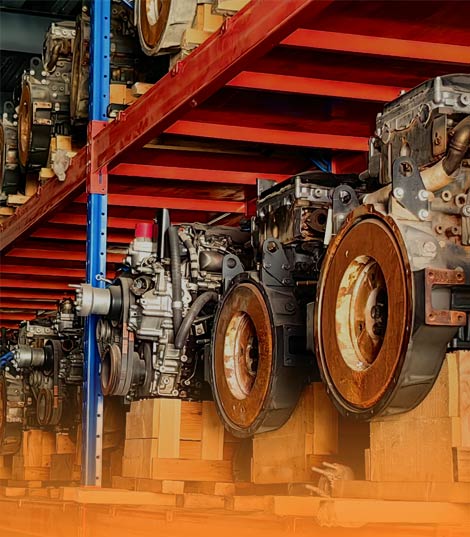
Engine components represent the largest parts segment by revenue, and overhaul kits lead it. Emissions rules such as Tier 4 Final and Stage V have made fuel injection systems, EGR components and aftertreatment parts stable, high-value categories. A matched overhaul kit – liners, pistons, rings, bearings and full gasket set – is widely regarded as the most economical path to restoring factory compression and oil control on a high-hour engine.
Regional Hotspots: Africa, Southeast Asia and the Middle East
Africa is the growth standout, with excavator sales up sharply and around three quarters of demand driven by mining; wear parts like buckets, teeth and liner plates move fastest. Southeast Asia is in a fleet-renewal cycle and buyers there are building local stockrooms, ordering consolidated mixed shipments of engine, hydraulic and wear parts. Middle East mega-projects continue to generate large, deadline-driven bulk orders.
The Practical Takeaway for Buyers
Three habits separate the fleets that minimize downtime this year: they order matched wear sets instead of single parts, they hold buffer stock of predictable service items – filters, seal kits, hoses, rollers – before the second-half demand surge, and they buy from suppliers who verify part numbers against the machine’s serial number before shipping. Racer Machinery supports all three, supplying brand-new undercarriage, hydraulic, engine and electrical parts for Cummins, Hitachi and other major brands, with consolidated mixed shipments to over 100 countries.