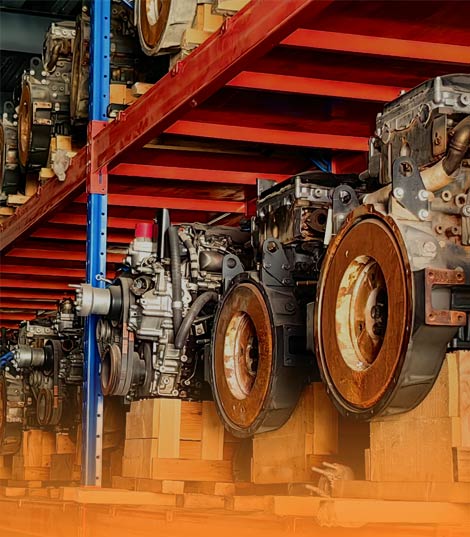
The Track Idler: A Field Guide to the Undercarriage Wheel That Tensions and Guides the Track
If you read only the category-level numbers, the tracks and the sprockets get the glory, but the part that actually keeps the track aligned, tensioned and absorbing impact at the front of the frame is the idler. This article is a field guide to that one part: the guide wheel that sits at the front of the track frame, tensions the chain and steers it around the circuit. The fleets that win on uptime treat the idler as a sealed, aligned, measured wear item, not as a forgettable wheel, because as ground gets rocky and hours accumulate, more machines reach the point where an idler either guides true or throws a track. The idler is not a passive roller – it is the front-end traffic controller of the undercarriage, and understanding it is the difference between a planned tension check and a track lying in the dirt.
The stakes are the whole argument. An idler is the wheel at the front of the track frame that tensions the track through a recoil or spring mechanism and guides the chain so it stays centred on the rollers and the sprocket. It absorbs the impact of obstacles and uneven ground before that energy reaches the rest of the undercarriage, and it determines whether the track runs snaky or true. When an idler fails, the loss is rarely just the wheel: a worn flange lets the track derail in a turn, a seized bearing drags and destroys the chain, and a bent bracket misaligns the whole track line. That is why idler discipline – alignment, sealing and tension – pays for itself many times over in avoided derailments and chain damage.
What a Track Idler Actually Is
A track idler is a heavy wheel body, usually built from robust alloy steel, with an internal precision bearing and shaft system that lets it rotate smoothly under radial load, and a flange or flanges on the rim that keep the track centred. Many designs use a dual floating-seal system as the primary defence: it locks the lubrication grease inside the chamber while blocking external mud, water and abrasive dust from the mechanical core. The idler is the front guide that, correct, takes the shock of impact and keeps the chain running true; a wheel with a failed seal or a worn flange is a countdown to derailment. When the idler is right, the track tracks; when its flanges wear or its bearing seizes, everything behind it reads wrong, from premature chain wear to a track thrown in a turn.
Why It Fails: Seals, Flanges, Brackets and Tension
An idler fails for a short, well-understood list of reasons, and they are dominated by lost lubrication and impact rather than by how it was made. Field data indicates that nearly two-thirds of idler failures originate from broken seals – when the floating seal fails, abrasive material contaminates the internal lubricant, the bearing is destroyed and the wheel seizes. Flange wear is the second major killer: the flanges keep the track centred, and on hard, abrasive or demolition surfaces they can lose up to about 2 mm per 1,000 hours, so once they drop below the limit the track derails in turns. Bent or loose brackets, from impact or poor installation, make the track drift off-centre and accelerate flange and roller wear. Incorrect track tension – too tight overloads the idler bearing, too loose lets the chain skip and derail – ties it all together. Contamination and poor tension reinforce each other, and the idler is exactly where undercarriage age shows first. The bill for ignoring it is a derailed track and a damaged chain.
Reading the Failure Signals Early
The signs of a failing idler are visible during a basic walk-around, if the undercarriage is inspected. The track drifting to one side while travelling points to idler misalignment or worn mounting brackets, and should stop the machine for an alignment check. Grinding or squeaking near the front of the track suggests dry bushings, failed seals or debris packed around the wheel – check for oil leaks and dirt buildup and replace seals if damaged. A track that feels too tight even after adjusting tension usually means mud, clay, snow or stones packed around the idler, restricting its slide and transferring impact into the frame. Flat spots or visible cracks on the idler rim mean prolonged wear, impact damage or bearing failure and call for replacement before they damage the track chain. Frequent de-tracking – the track slipping off – is the late-stage warning of severe misalignment, worn flanges or a failing idler bearing, and warrants a professional undercarriage inspection before continuing. Catching these early prevents a maintenance issue from becoming a machine-down event.
Repair or Replace: A Wear Item, Not a Lifetime Part
Unlike a structural casting, a track idler is a wear item, and the judgement is made by severity. Minor seal leaks or loose brackets can often be repaired in the field – renew the seal, true the bracket, and the wheel returns to service. Once the flanges have worn below the manufacturer’s limit, the bearing has seized, or the rim shows cracks or flat spots, the wheel is replaced. In practice the labour to access, remove and refit an idler is largely identical whether you repair or replace, so the real question is whether the wheel has earned its retirement. An idler near its flange limit that is merely resealed will derail the track on the next hard turn, and the downtime cost of a repeat failure dwarfs the price of a fresh wheel. Replace matched with the chain and sprocket where the wear is systemic, because a new idler on a worn chain forces the new part to absorb all the mismatch and wear it out early.
Lifespan, Intervals and the Duty Curve
As a planning figure, an idler is measured in operating hours rather than years, and the honest answer is always condition plus maintenance, not a fixed date. Bottom rollers and idlers together typically live somewhere between about 2,000 and 4,000 hours under normal conditions, and a full undercarriage might reach 3,000 to 5,000 hours before the set is due. The 2026 pattern is fleets running a three-clock programme: a five-minute daily walk-around, a tension and alignment verify whenever conditions change, and a caliper measurement of flange height and track stretch every 250 to 500 hours, shortened to under 200 hours in mining or high-dust applications. The duty and the cleaning rag, not the calendar, are the truest predictors of when it must go.
Idler Discipline: The Cheapest Insurance
The single highest-leverage habit for idler life is the daily and scheduled inspection, because early detection prevents more than 70% of severe idler failures. Spend five minutes on the walk-around checking for oil leaks around the seals, cracks or dents on the shell, loose or missing bolts, and abnormal noise or grinding. Keep the idler aligned – a bent or loose bracket makes the track run snaky and accelerates flange, link-rail and roller wear. Keep the seals and bushings intact: floating seals and bronze bushings keep contaminants out and friction down, and a seal that fails lets lubrication escape and wear accelerate, so replace seals at the first sign of leakage. Keep the track correctly tensioned and clear debris so the idler can slide and absorb shock rather than transmitting it into the frame. The idler is the front guide of the whole undercarriage; treat its alignment and sealing as non-negotiable and the track rewards you with true tracking, while neglect turns a manageable wheel into a derailment.
Seals, Bushings and the Lubrication System
Most idler problems trace back to the seal and lubrication system rather than the wheel body, and the discipline is to respect both. The dual floating-seal system is the primary defence: it locks the internal grease in and the mud and water out, and from an engineering perspective more than 60% of early idler failures are directly related to insufficient lubrication or seal damage. Check grease condition to prevent oxidation and thermal degradation, use a temperature- and pressure-resistant grease suited to the conditions, and keep the sealing integrity absolute so mud and water cannot enter the bearing chamber, because once they do the sludge accelerates internal wear irreversibly. A wheel with a sound seal and a verified grease path is a component that simply lasts; one with either compromised is a component counting down to a seized bearing.
Sourcing: Flange Height, Material and the Part-Number Match
Buying a track idler well means matching it to the undercarriage by dimension and material, not to a generic ‘close enough’. The critical measurements are the wheel diameter, the flange height, the shaft size and the mounting that locate it in the frame, and the track pitch must match the chain it guides. On material, high-quality wheels are made from high-strength alloy steel or premium cast steel with a controlled quenching and tempering heat treat that balances hardness and toughness, because a wheel that is too hard becomes brittle and one too soft wears out early. Reliable suppliers back the part with dimensional, hardness and fatigue inspection before shipment. In 2026 buyers have stopped accepting mystery wheels and started demanding the flange height and the heat-treat in writing, because a wheel that arrives soft or mis-sized is the most expensive kind. A wheel built to the wrong pitch will not guide the chain, and a wheel whose flanges are under spec derails it in a turn.
New vs Aftermarket – Match the Specification, Not the Badge
The choice for a track idler is not really badge-versus-aftermarket; it is whether the specification is matched. A quality aftermarket wheel built from the same alloy steel, with the same heat-treated flange and the same dimensional envelope and track pitch as the original, delivers equivalent service life at a noticeably lower price than a dealership wheel. The trap is the bargain wheel from a supplier without in-house manufacturing, made from inconsistent material with a poor heat-treat, which can crack its flange or seize its bearing under impact. The differentiator is whether the supplier can confirm the material, the heat treatment and the dimensions and supports the major machine brands and models, not the label on the box. Buy to the machine’s real undercarriage specification and verify the supplier stands behind the flange height, because an idler that looks right but is soft or mis-pitched is the most expensive kind.
Installation Discipline
A track idler is only as good as its installation, and installation has two non-negotiable checks: precise alignment and correct tension. Fit the wheel square in its brackets so the track runs centred, ensuring precise alignment during installation to avoid axial-load imbalance, and use torque tools to tighten the bolts properly so they do not loosen or concentrate stress. Set the track tension with the recoil mechanism – too tight overloads the idler bearing and the final drive, too loose lets the chain slap, jump teeth and derail. Rotate the house clear and lift one track frame so the chain hangs free to verify sag against the machine’s own manual figure rather than borrowing another model’s number. Run the machine through its travel to confirm even, quiet motion and no snaky tracking. These are not optional finesse steps; they are the difference between an idler that lasts its hours and one that derails the track on the first turn. Buyers who pair the right wheel with disciplined alignment and tension get the full life; correct installation and proper tension management can reduce abnormal wear by 15% to 25%, while those who rush it buy the same idler twice and the chain once.
Climate, Duty and the Abrasion Curve
The idler failure curve steepens sharply with rock, mud and impact. Demolition and hard-surface work grind the flanges fastest; mud and clay pack into the links and around the idler, effectively tightening the track and acting as an abrasive paste against the seals; and long high-speed travel or sharp counter-rotation loads the undercarriage harder than necessary. Fleets in these conditions should shorten inspection intervals, clean the undercarriage at the end of every shift so packed material cannot tighten the track or abrade the seals, and avoid prolonged high-speed travel on rocky ground. A machine in a benign, clean environment reaches the interval comfortably; the same machine on a rocky, muddy, high-impact site reaches it far sooner. The climate and the duty, not the hours on the clock alone, are the truest predictors of when the track idler needs replacing, and planning that ignores them is planning to derail a machine.
Storage and Handling Before Fitment
Track idlers are precision assemblies even before they are fitted. Store them in a clean, dry, shaded space with the sealing faces protected from UV and ozone, which crack the seals in storage, and rotate stock so the oldest fits first. Keep them off damp ground so the seals do not degrade before installation. On the bench, confirm the diameter, flange height, shaft and pitch against the machine’s undercarriage before lifting, and confirm the mounting matches the brackets. The time spent inspecting the wheel before it goes onto the frame is the cheapest insurance against a premature flange wear or a bolt-up that will not align.
The Mistakes That Cost the Most
The recurring errors are predictable. Ignoring a seeping seal because ‘it is only a leak’, and watching the bearing seize. Letting flange wear run past the limit and then wondering why the track derails in a turn. Bent brackets left unstraightened so the track runs snaky and chews the rollers. Packing mud around the idler and calling the track ‘too tight’ without clearing it, so impact transfers into the frame. Over-tensioning the track and overloading the final-drive bearings. Buying the cheapest wheel with no hardness check, which cracks its flange under the first rock strike. Skipping the daily walk-around so a cracked rim is found only after the chain is damaged. Fitting a wheel to the wrong pitch and forcing the chain to conform. Each turns a cheap, planned tension check into a derailed track, a damaged chain, and an unplanned shutdown. The discipline that avoids them is simple: inspect daily and clear debris, keep the seals and alignment true, measure the flange, set the tension correctly, source to the pitch and material, and replace matched with the chain when wear is systemic.
Conclusion
The track idler is the front-end guide and tensioner of the entire undercarriage and the part that, more than almost any other wheel, decides whether the track tracks true or lies in the dirt. A heavy alloy-steel wheel of bearing, shaft and flange, sealed by a dual floating seal and vulnerable above all to broken seals, worn flanges and poor alignment, and carrying a service life of roughly 2,000 to 4,000 hours on a 250-to-500-hour measurement clock, it deserves to be understood as a measured wear item rather than a forgettable wheel. Fleets that keep the seals intact, align and tension on schedule, clear debris so the wheel can slide, measure the flange height before it crosses the limit, source the wheel to the correct pitch and hardened material confirmed by machine model, and consolidate the undercarriage order spend less per hour and avoid the derailments and chain damage that strand a machine mid-project. Racer Machinery supplies brand-new track idlers matched to your machine’s undercarriage specification and shipped as consolidated mixed orders to more than one hundred countries, so your next idler programme is scheduled by you and not by a thrown track.