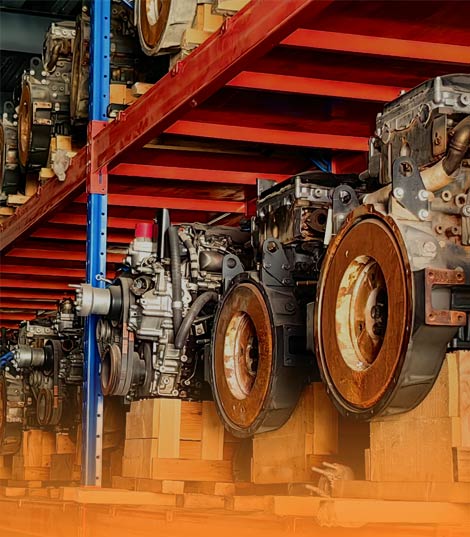
The Engine Water Pump: A Field Guide to the Part That Keeps the Engine Cool
If you read only the category-level numbers, the engine looks like one block of cost, but the cooling circuit is the system that decides whether that block survives the day. At the centre of it sits the engine water pump – the centrifugal pump that circulates coolant and keeps operating temperature inside the safe band. This article is a field guide to that one part: the heart of the cooling system, what it does, why it fails, how to read the warning signs, and how to buy one so a replacement restores cooling instead of repeating an overheat. The fleets that win on uptime treat the water pump as a precision assembly, not a bolt-on afterthought, and the 2026 search data is forcing everyone else to catch up, because as fleets age and duty intensifies, more machines reach the interval where a water pump either performs or lets the whole engine down.
The stakes are the whole argument. A water pump failure does not merely stop cooling; it can warp the cylinder head, blow the head gasket, crack the block or seize the engine, turning a small part into a full overhaul. Market and service data show cooling-system and pump-related faults are among the most common causes of unplanned engine downtime, and the pump sits at the centre of that story because the engine is destroyed only after the pump stops moving coolant. A pump search is rarely casual; it is a temperature gauge climbing under load, a weep of coolant under the housing, or a fleet manager planning the replacement before the head warps. Because a pump is also one of the cheaper engine components to replace, the consequence of getting it wrong is wildly out of proportion to its price – which is exactly why it ranks among the most-searched engine parts in 2026.
What a Water Pump Actually Does
A water pump is a belt- or gear-driven centrifugal pump that pulls coolant from the radiator and pushes it through the engine block, cylinder head and heater circuit before it returns to the radiator to shed heat. The pump does not create cooling; it creates flow, and without flow the engine temperature climbs within minutes. The assembly is a cast housing, an impeller, a shaft supported by a bearing, and a mechanical seal with a small weep hole. That weep hole is a deliberate design: when the seal starts to wear, coolant drips out visibly before it can reach the bearing, giving the operator an early warning that the pump is on its way out. The pump is the source of cooling; everything else in the circuit – thermostat, hoses, radiator – depends on the flow it generates.
Why It Fails: Seal, Bearing and Impeller
A water pump fails for a short list of reasons, and the mechanical seal leads them all. The seal runs in coolant at temperature and pressure, and once it wears, coolant reaches the bearing and the pump is finished. Bearing wear follows, and a rough or seized bearing loads the drive belt and can throw it. The impeller – often plastic or composite in smaller units, cast or stamped in larger – erodes or corrodes when coolant is contaminated or when the wrong additive package breaks down, and a damaged impeller loses flow even while the shaft still turns. Add heat, vibration and debris, and the pump is exactly where cooling-system age shows first. Contamination and wrong coolant are the root cause that no pump brand can outrun, which is why the fleets with the lowest pump-failure rates treat coolant chemistry as a system, not an afterthought.
The Weep Hole and the Early Warning
The most useful feature of the pump is also the most ignored. A few drops of coolant from the weep hole is the seal saying it is near the end, and it is the cheapest signal in all of engine maintenance – a puddle under the front of the engine that says ‘replace the pump this weekend’. The trap is ignoring it, because once the seal fails fully the coolant reaches the bearing, the bearing fails, and the pump can seize or throw the belt. Fleet discipline that checks for weep-hole drip at every service turns a catastrophic overheat into a planned Saturday swap. The weep hole is not a defect; it is the early-warning light for the whole cooling system, and treating it as such is the single cheapest habit a maintenance programme can adopt.
Reading the Failure Signals
Water-pump failure rarely shouts at first. It shows as a temperature gauge climbing under load or on long cycles, a coolant leak from the weep hole or housing, a whining, grinding or rumbling noise from the pump area, a loose or squealing drive belt, low coolant with no obvious external leak, or steam and a coolant smell from the engine bay. These are the window in which a replacement costs a fraction of the alternative: a pump that starts to weep is the difference between a one-hour swap and a warped head. Past that window, an overheat event can damage the cylinder head and block, and the pump is no longer the only thing that needs fixing. The habit that matters is acting on the first symptom, not the last.
Lifespan and the Operating-Hour Planning Figure
As a planning figure, a water pump typically lasts somewhere in the range of 60,000 to 100,000 miles – or, expressed in machine terms, roughly 8,000 to 12,000 operating hours – but the real trigger is inspection, not the clock. Coolant quality, belt condition and duty swing that range hard: clean-coolant, well-maintained machines sit at the top; contaminated-coolant or high-heat duty pushes the lower bound. The 2026 pattern is fleets grouping pump inspection with the other cooling components into one planned order rather than reacting to a climbing temperature gauge. Because pumps fail predictably as coolant quality and belt condition accumulate, a pump search is almost always pre-emptive – a buyer ordering ahead of a failure that has not yet started – and that single habit removes more unplanned downtime than most category-level plans.
Coolant Discipline: The Cheapest Insurance
The single highest-leverage habit for pump life is coolant discipline. Use the correct coolant and additive package for the engine, change it on the manufacturer’s interval, and never mix incompatible types that break down the seal and impeller. Sample and inspect coolant condition, keep the radiator and passages clean so flow is not restricted, and confirm belt tension so the pump is driven at the speed it was designed around. A pump that loses its coolant chemistry through neglect destroys its own seal and impeller within a short time, and that fault is the cheapest to catch. Fleets that treat coolant as a managed system, rather than a top-up, turn pump replacement from a breakdown into a scheduled event. The coolant is the lifeblood of the pump; treat its interval as non-negotiable and the assembly rewards you with full service life.
Sourcing: Engine Family, Part Number and the Serial Match
Buying a water pump well means matching it to the exact engine, not to a generic ‘looks about right’. The mounting pattern, impeller size, belt drive and porting differ between engine families, so the part number must match the engine, and the physical label and serial must be confirmed against the old pump before ordering. Verify the fitment by engine model and serial, and prefer suppliers who can confirm the match rather than quote by appearance. A pump built for the wrong engine or drive either will not bolt true or will not move the right flow, and a pump that leaks or seizes on fit damages the belt and the engine. In 2026 buyers have stopped chasing the lowest price and started demanding exact part numbers, fitment confirmation and warranty – because a pump that arrives wrong turns a planned weekend into an overheated engine.
New vs Rebuilt – and the TCO Trap
The choice between a complete new pump and a rebuilt unit is not really about the label; it is about quality control. A complete new pump with a known impeller, bearing and seal, and a new gasket, can deliver full service life at a known cost, which is why complete new units have become the standard for many fleets. The trap is the unrebuilt or untested assembly: a pump reassembled with a worn bearing or a reused impeller can fail soon after fitment, adding to total ownership cost and risking the engine. The differentiator is whether the supplier has genuine fitment and testing evidence, not the badge. Buy to the engine’s real specification and verify the supplier stands behind the product, because the cost of a pump failure is never just the pump.
Installation Discipline
A water pump is only as good as its installation. Drain the coolant into a clean container, clean the block face of old gasket residue and corrosion so the new gasket seals, and replace the thermostat and drive belt at the same time – they wear out on a similar schedule and share the same access, so replacing them together saves a second teardown. Fit a new gasket, torque the pump to the block evenly and to specification, and bleed the cooling system thoroughly after refill so no airlock starves the pump. Run the engine and re-check for leaks at the weep hole on the first cycle. These are not optional finesse steps; they are the difference between a pump that lasts the interval and one that fails on the first job. Buyers who pair the right pump with disciplined installation get the full life; those who rush it buy the same pump twice.
Climate, Duty and the Cooling Curve
The pump failure curve steepens sharply with heat, dust and heavy load. High-temperature sites accelerate seal and impeller breakdown, dusty or debris-prone environments load the belt and clog the radiator, and long high-load cycles keep the coolant hot. Fleets in these conditions should shorten coolant-change and belt-inspection intervals, insist on coolant sampling, and protect the cooling circuit at every service. A machine working in a benign environment reaches the interval comfortably; the same machine in a hot, dusty site reaches it far sooner. The climate and the duty, not the miles on the odometer, are the truest predictors of when the water pump needs replacing.
Storage and Shelf Life
Water pumps are precision items even before they are fitted. Store them in a clean, dry, sealed condition, because moisture and grit are exactly what destroy the very seal and impeller the pump depends on. Keep the protective cap and gasket intact until fit, and never leave a pump open on a shelf where the seal dries and cracks. A new pump that has been stored damp or with a dried seal may weep from the first hour even though it looks unused. The discipline is simple: rotate stock so the oldest fits first, store it right, and treat the pump as the precision item it is rather than as a hardware afterthought.
The Mistakes That Cost the Most
The recurring errors are predictable. Ignoring the weep hole until the engine overheats. Reusing the old thermostat or belt. Mixing coolant types and breaking down the seal. Matching the pump by appearance instead of by engine serial. Buying on price and skipping the supplier’s fitment evidence. Running the machine after the temperature gauge climbs. Each turns a cheap, planned swap into an emergency overhaul or an unbalanced cooling system. The discipline that avoids them is simple: watch the weep hole, change the coolant on interval, match the engine by serial, replace the thermostat and belt with the pump, install to torque, bleed the system, and stock the pump before the gauge moves. Get those right and the water pump stays a maintenance item, not a catastrophe.
Conclusion
The engine water pump is the heart of the cooling system and the part that, more than almost any other engine component, decides whether an engine survives its duty or becomes a teardown. A precision centrifugal assembly of impeller, bearing and mechanical seal with a deliberate weep hole, vulnerable above all to seal wear, bearing fatigue and impeller corrosion, and lasting roughly 8,000 to 12,000 hours in proper service, it deserves to be understood as an engineered cooling component, not as a cheap bolt-on. Fleets that treat coolant as a managed system, watch the weep hole, replace the thermostat and belt with the pump, specify the exact part number confirmed by engine serial, and consolidate the cooling order spend less per hour and avoid the overheat events that warp heads and crack blocks. Racer Machinery supplies brand-new engine water pumps matched to your engine’s family and serial and shipped as consolidated mixed orders to more than one hundred countries, so your next cooling-system swap is scheduled by you and not by a climbing temperature gauge.