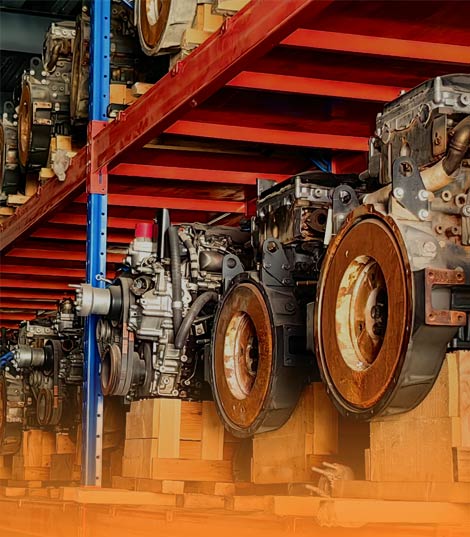
Engine Oil Pump: A Field Guide to the Component That Keeps the Whole Engine Alive
When buyers search for a single lubrication or engine-internal part in 2026, filters and seals take most of the traffic, but a heavier, less-visible component sits behind a surprising share of catastrophic failures: the engine oil pump. The reason is unforgiving. The oil pump is the heart of the engine’s lubrication system, drawing oil from the sump and forcing it through every bearing, journal, gear and turbo at the pressure and volume the engine needs, and when its output drops, the engine does not complain politely – it starves its bearings, scuffs its surfaces and, in the worst case, seizes or throws a rod before the driver feels more than a flickering pressure light. Low-oil-pressure complaints are one of the most feared diagnoses in any workshop, and the oil pump is at the top of the suspect list for exactly that reason. This article is a field guide to that one part: how it works, why it fails, how to read the early signals, and how to buy and fit a replacement that restores the engine’s lubrication discipline instead of repeating the fault.
The demand curve behind the search is structural. The installed base of high-hour diesel machines keeps growing, and a large share of that fleet is now deep into the maintenance window where internal wear parts are due. The 2026 pattern shows oil-pump searches rising together with bearing-wear and low-pressure searches, because fleets have learned that the pump ages as the engine ages – a pump pushed by thickened, contaminated or diluted oil, or starved by a blocked pickup, wears its clearances and loses its pressure. An oil-pump search is increasingly a decision made after a pressure-light or a bearing-noise investigation, which makes preparation valuable: the pump is far cheaper to buy and fit during a planned overhaul than to discover missing after a bearing has already scored. Knowing the part, its failure modes and its fitment turns a lubrication catastrophe into a scheduled internal service.
What an Engine Oil Pump Actually Does
An engine oil pump is a positive-displacement machine whose job is to take low-pressure oil from the sump and deliver it to the engine’s galleries at the pressure and volume the bearings require, on every revolution, at every speed. Inside the pump, meshed gears, a rotor and vane, or a gerotor pair trap oil between their elements and the housing and push it out under pressure, while a pressure-relief valve opens to spill excess flow back to the sump when the pressure tries to exceed the design limit. What matters for machine performance is that the engine is only as protected as its oil delivery: too little pressure and the bearings run on a film too thin to separate the surfaces, so metal touches metal and the journal scuffs; too much pressure and the seals and the filter bypass are overloaded, and oil leaks past where it should not. The pump feeds the crankshaft and camshaft bearings, the piston-cooling jets, the turbocharger bearing and the valve gear, and it does this against oil that thickens in the cold, thins when hot and carries whatever the filter and the sump failed to stop.
Why Oil Pumps Fail: Wear, Contamination, Relief Valve and Drive
Oil-pump failures trace to a short and familiar list, and contamination leads it. The pump’s working clearances are tight, and any grit that passes a tired filter or enters through a careless fill – from a dirty sump, a breached breather or a refill discipline problem – scores the gears or the rotor and the housing, and the scored surfaces leak pressure internally, so delivery drops and the pressure light flickers. Sludge is the second cause: a neglected oil-change interval lets varnish and sludge build in the pickup screen and the galleries, and a pump trying to draw through a clogged screen cavitates and loses its prime, which the engine feels as a pressure drop at idle or hot. The relief valve is the third: a valve that sticks open spills pressure it should hold, and a valve that sticks closed over-pressures the system and bursts seals, and either way the pump’s delivery is no longer the pressure the engine was designed around. The drive is the fourth: a worn shaft, a failed coupling, a sheared key or a loose chain lets the pump turn too slowly or not at all, and a pump that is barely turning cannot hold pressure under load. Seals and the housing are the fifth: a leaking cover gasket or a cracked housing drops the pump’s efficiency, and a hardened pickup-tube O-ring draws air instead of oil, which the pump cannot pressurise. The common thread is that the oil pump is the most flow-critical component on the engine, and every weakness in oil cleanliness, change discipline and pickup integrity lands on its internals first.
Reading the Failure Signals Early
A failing oil pump gives warnings long before it destroys the engine, and reading them early is the difference between a planned overhaul and a thrown rod. The first signal is the pressure gauge or warning light: an oil-pressure reading that is low at hot idle, or a light that flickers at low speed, is announcing falling pump delivery, and it should be investigated the same day, not the next breakdown. The second is noise: a whining, rattling or ticking from the lower engine that changes with speed can be the pump’s gears or rotor complaining, or the bearings it is failing to protect, and either points at the lubrication system. The third is behaviour with temperature: pressure that is healthy cold and collapses hot reflects a pump losing its clearances and an oil thinning as it warms, and it is the classic progression toward bearing damage. The fourth is the oil itself: metal particles, glitter or a grey sheen in the oil or on the magnetic drain plug is the bearing telling you the film already failed somewhere, and a pump that has been under-delivering is the usual suspect. The fifth is the test evidence: a pressure test at the gallery and a pickup-screen inspection convert suspicion into numbers, and a pump that measures below its pressure spec at a given speed should be scheduled out before it fails under load.
Specifications: Type, Pressure, Volume and Drive
Buying an oil pump well means matching the unit to the engine’s lubrication system, not just to the model. The pump type is the first gate: gear, rotor and gerotor pumps are different machines with different drives, fittings and pressure characteristics, and a pump from the wrong family cannot be made to work by adaptors. The pressure and volume specification decides whether the pump can feed the engine’s bearings and the turbo at full load, and a pump that meets the part number but not the pressure rating delivers an engine that is permanently starved at the top end. The relief-valve setting is the largest single risk in pump replacement: a valve set too low lets pressure collapse under load, and a valve set too high overloads seals and the filter bypass, so the setting must match the engine’s design, not just the casting. The drive and the pickup decide whether the unit turns at the right speed and draws clean oil: a worn drive coupling, a loose chain, a cracked pickup tube or a hardened O-ring all defeat a healthy pump. The same engine can carry different pump families and relief settings across build years and markets, so the stamped reference and the engine serial number are the first references and the only reliable ones. In 2026 professional buyers demand the reference number, the pressure and relief specification and the drive type in writing before ordering, because an oil pump that bolts in but does not hold pressure is not a running spare – it is a bearing failure waiting to happen.
New, Reconditioned or Cheap: Reading the Real Differences
The oil-pump market has three tiers, and the gaps are larger than the prices suggest. A new pump built to the original pressure, volume and relief specification carries the highest cost and the lowest risk, and for a machine whose survival depends on its lubrication it is the safe path. A quality reconditioned unit from a specialist with documented bench results – pressure, volume and relief stated per unit – can deliver most of the new-pump life at a lower price, but only when the testing is real and stated; a pump that has been cleaned and boxed without a bench run is a coin flip. The bargain tier, unbranded units with unknown clearances and no pressure verification, is where repeat failures live: gears that never held pressure, relief valves that stuck open, and drives that slipped under load. The differentiator is not the label but the verification: a stated pressure curve, a stated relief setting and a warranty measured in operating hours. On a part whose failure mode is an engine that destroys itself, the cheapest tier is the most expensive one.
Installation Discipline: Cleanliness, Priming and the Pickup
Most replacement pumps that fail early are killed during installation, and the causes are all preventable. Protect cleanliness above everything, because an oil pump opened in a dirty environment or fitted with oil funneled through a rag is contaminated before its first revolution – the working clearances will not forgive what a fuel pump might. Inspect and flush the pickup screen and the galleries before the new pump runs, because the sludge and grit that killed the last pump are still in the system waiting for the new one. Replace the pickup-tube O-ring and the cover gaskets with the correct parts, because a hardened or skipped O-ring draws air and the pump cannot pressurise air. Prime the pump and the galleries correctly on assembly, because a pump started dry, or an engine fired before oil reached the top end, scuffs bearings that never recover. Set the relief valve to the engine’s specification and confirm it with a pressure test, because a guessed valve setting writes the failure into the engine. Torque the drive and the mounting hardware to specification and confirm the coupling or chain is correctly seated, because a pump driven off-centre or slipping wears its drive and loses its pressure. Fill, bleed and run the engine, then watch the pressure settle and re-check for leaks at the pump and the filter after the first running hours. Fleets that follow this discipline get years from a pump; those that swap the unit into a dirty, unprimed system buy the same failure twice, usually with bearings attached.
Duty, Oil Quality and the Stocking Curve
Oil-pump life is an oil-quality story as much as an hours story. Sites with poor oil-discipline – extended change intervals, contaminated top-ups, skipped analysis – wear pumps and bearings years faster than identical machines on clean, fresh oil, and the cheapest maintenance decision on any fleet is a disciplined drain interval and a clean fill. Hot climates accelerate oil thinning and sludge formation, while cold climates load the pump with high-viscosity starts and long warm-up periods, and both stress the pressure delivery in different ways. Dusty sites raise the stakes on every filter change, because a filter that is overdue in a quarry is a pump and bearing killer, not a service item. High-load duty with sustained full-power work holds the oil hot and thin and brings marginal pumps to failure sooner, while frequent load swings cycle the relief valve and the clearances. The service-hour meter matters less than the oil discipline, the filter history and the duty profile, and a stock plan that ignores those three factors plans its own bearing failure.
Storage and Handling Before Fitment
An oil pump on the shelf is a precise internal assembly, not a casting. Store units in their original sealed packaging, dry and away from contamination, with the ports capped, because a pump that has breathed dusty air or drawn moisture in storage has already used part of its life. Never rotate the shaft by force or test-run a spare pump on the bench without the correct oil and priming, because a dry run scores the gears or rotor permanently. Before fitting, confirm the reference and relief specification against the engine’s requirement, check the drive coupling and the mounting faces, and inspect every port cap and gasket for evidence of intrusion. A pump damaged in storage fails identically to a defective one, and both cost a second lubrication day – usually with bearings attached.
The Mistakes That Cost the Most
The recurring errors are predictable and expensive. Replacing the pump without finding the contamination or sludge that killed it, so the new unit inherits the grit within months. Fitting a pump of the right part number and the wrong relief setting, and chasing a pressure collapse that was built in on the bench. Skipping the pickup-screen and gallery flush, and handing the new pump the same oil that destroyed the old one. Reusing a hardened pickup O-ring, and drawing air the pump cannot pressurise. Running the new pump dry at first start, scuffing bearings that never held film again. Ignoring a flickering low-pressure light, and losing the pump, the bearings and the crankshaft together. Buying the cheapest unverified pump for a no-pressure emergency, and fitting a second one after it takes the bearings. Each turns a planned lubrication service into a repeat failure or a seized engine. The discipline that avoids them is simple: match the reference and relief specification, restore oil cleanliness before the new pump runs, prime and pressure-test it properly, torque the drive, and treat every low-pressure light and every hot-idle pressure drop as a scheduled pump window rather than background noise.
Conclusion
The engine oil pump is the heaviest single decision in the 2026 lubrication aftermarket because it is the component that pressurises and delivers everything the engine’s bearings depend on, and it is the part least able to forgive dirty oil, a clogged pickup or a relief valve guessed at. A positive-displacement machine holding pressure and volume in tolerance against contamination, sludge, wear and heat, vulnerable above all to scored elements, a stuck relief valve and a starved pickup, it deserves to be treated as a planned, verified replacement, not a breakdown purchase. Fleets that match the reference and relief specification, restore oil discipline before fitment, prime and pressure-test the new pump correctly and read the low-pressure, hot-idle and metal-in-oil signals early spend less per hour and avoid the bearing scuffs, knocks and seized engines that strand machines on site. Racer Machinery supplies brand-new engine oil pumps and matched lubrication components verified against your engine’s reference and pressure specification, with bench data confirmed before shipment and consolidated mixed orders shipped to more than one hundred countries, so your next lubrication programme is scheduled by you and not by a pump that quit under load.