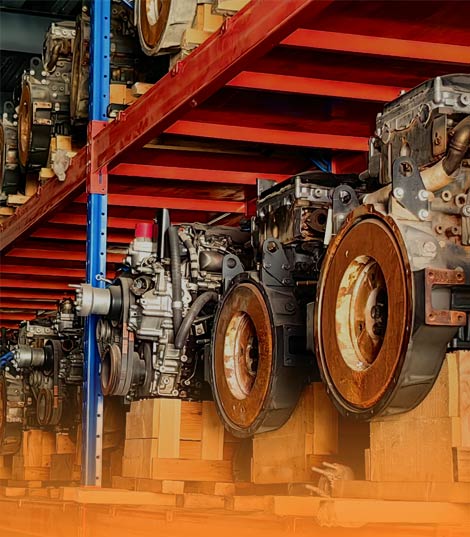
Hydraulic Main Pump (Variable-Displacement Piston Pump): A Field Guide to the High-Value Single Component Buyers Búsqueda For in 2026
In 2026, when a machine owner searches for one core component by itself and is prepared to buy the whole unit to fix it, the hydraulic main pump – more precisely the variable-displacement piston pump that feeds the entire hydraulic system – sits among the highest-demand single parts in the excavation and earthmoving aftermarket. The main pump is the heart of the machine: it converts engine power into flow and pressure that drive the boom, arm, bucket, swing and travel circuits, and when it weakens every function slows, heats and loses authority. Unlike a hose or a seal, it is a high-ticket, complete-assembly replacement that most fleets buy only when a symptom forces the decision – a boom that cycles slow, a pump that howls, a case that runs hot, or a system that loses pressure under load. This field guide is about that one unit: what it does, where it sits, why it fails, how to read the early warnings, and how to choose and fit a replacement that restores flow instead of repeating the fault. The part number 20Y-60-11210 is used here as a representative twenty-ton-class crawler-excavator main-pump reference, the kind of single component that dominates high-value hydraulic-system search traffic; no equipment brand is named, only the reference the machine reads.
The demand signal behind the search is easy to read. Crawler and wheeled machines live or die by their hydraulic muscle, and the main pump is the component that delivers that muscle while absorbing the full speed and load swing the operator commands. As fleets hold machines longer to protect capital, main-pump wear is moving into steady, high-volume replacement at exactly the moment new-machine sales have softened, and the economics of a failing pump – a boom that lifts slow, a swing that lags, a travel that crawls uphill, a circuit that overheats – make it one of the costliest single parts to ignore. A main-pump search usually means a symptom already exists: a drop in cycle speed, a rising pump-case temperature, a whine that climbs with rpm, or metal in the suction screen. It is a higher-stakes single part than a cylinder or a hose, because a wrong or worn pump starves every other function and overheats the oil that protects them. The search signal here is about displacement, pressure rating, shaft and port pattern, and rotation direction, not just availability – the buyer is looking for the exact unit for a specific machine, not a generic match.
What a Hydraulic Main Pump Actually Does
A hydraulic main pump is the positive-displacement unit that turns engine rotation into pressurised hydraulic flow. Inside a sealed housing, a set of pistons rides against a swashplate: as the shaft spins, each piston strokes in and out, drawing oil from the inlet port and pushing it out under pressure through the valve plate to the rest of the machine. A variable-displacement design tilts the swashplate to change how far the pistons stroke, so the pump delivers more flow at low pressure and backs off as pressure rises, matching the load the operator is asking for instead of dumping excess over a relief valve. What matters for machine performance is that the pump holds flow and pressure steady under every command: a healthy main pump lets the boom, arm and bucket move with authority, keeps the swing crisp and the travel sure, and does so without overheating the oil. It is the component that sets the ceiling on everything the hydraulics can do, and it does so with pistons, a swashplate, a valve plate, a shaft and seals that must survive contamination, cavitation and load the rest of the system never sees alone.
Where the Pump Sits in the Machine
To buy a main pump well you need to see it as one part of a linked system, because its life is decided as much by its neighbours as by itself. The pump is driven off the engine through a coupling or gear, so its input speed and alignment are set by the engine and the flywheel it bolts to; every litre it moves is pulled from the tank through a suction line and pushed back through the cooler, valves and actuators. The pump’s mounting face, shaft and port pattern are matched to the machine’s hydraulic schematic, so its fit is fixed by the frame, the coupling and the hose runs around it. What matters for the buyer is that the pump does not wear in isolation: a clogged suction strainer starves it and cavitates the pistons, a tired relief or cracked hose lets it over-pressure and overheat, and a contaminated tank scours the valve plate it depends on. The machine’s model and the hydraulic layout decide the pump’s displacement, pressure class and port pattern together, and they are the only reliable references. A pump chosen without reading the whole system fits badly, runs hot, and passes its stress on to the valves and actuators it feeds. The part number 20Y-60-11210, like every main-pump reference, only means something when it is matched to the correct machine and hydraulic combination.
Single Assembly or Rebuildable: Why Main-Pump Búsquedaes Mean a Complete Pump
Most main-pump searches are for a complete assembly, and for good reason. A main pump that has failed internally – a scored valve plate, a seized piston, a worn swashplate bearing, a leaking shaft seal – rarely rewards a field rebuild, because the cost of re-plating the valve plate, replacing the piston set and bearings, and re-sealing the unit against contamination usually approaches the cost of a fresh pump while delivering less certainty. The professional pattern in 2026 is to replace the pump as a complete bolt-on assembly: the machine recovers its flow within a shift, the displacement and port pattern are guaranteed, and the only variable left is the installation. The search may start with a hope of a cheaper internal repair, but the field decision should be about the complete unit, because the main pump only performs as well as its weakest internal part and a rebuilt pump that was not measured is a gamble wearing a label. Reading the symptom as a system signal rather than a single-part failure is what turns a breakdown into a planned service, and it is the discipline that protects the valves and actuators from the stress a failed pump leaves behind.
Architecture: Piston, Swashplate, Valve Plate, Shaft and Seal Design
Buying a main pump well starts with knowing what is inside, because pumps are not interchangeable across configurations. The piston set and swashplate are the heart: a ring of pistons stroking against an angled plate converts rotation into flow, and a pump built for a lighter machine carries fewer or smaller pistons and a weaker plate, so fitting it where a heavier one belongs is a fast route to cavitation and heat. The valve plate is the second split: the porting that directs oil in and out must match the flow and pressure class, and a plate with the wrong port timing robs the machine of authority. The shaft and coupling are the third: the pump is driven through a shaft whose size, spline and rotation direction must match the engine, and a shaft that is wrong in any one of those will not couple or will couple under load it cannot carry. The port pattern and rotation are the fourth: the inlet, outlet and any case-drain ports must line up with the hose runs, and a pump that rotates the wrong way pumps backward. What matters for the buyer is that each design has its own displacement, pressure class, shaft and port geometry, and a unit from the wrong family will not couple to the engine, will not line up with the hoses, or will overheat from the first loaded cycle. The machine’s identification and the pump’s reference decide this together, and they are the only reliable references for a part like 20Y-60-11210.
Why Main Pumps Fail: Wear, Contamination, Cavitation, Seal Leak, Overheat, Overload
Main-pump failures trace to a short list, and contamination and wear lead it. The pistons and the valve plate run under the full pressure the system commands every time the machine works, and on abrasive or high-duty cycles the plate and the piston shoes fatigue until the pump loses flow, runs hot, or lets the pistons scuff. Contamination is the second cause: once silt, fine metal or water enters the pump it scours the plate and the piston bores, and a pump that has ingested grit is already condemned even if it still turns. Cavitation is the third: a clogged suction strainer, a collapsed suction hose or an air leak pulls vapour into the pistons, and the pump hammers itself hollow with micro-bubbles that collapse against the plate. Seal leakage is the fourth: the shaft seal that keeps oil in and grit out is the pump’s only defence against the bay it lives in, and once it weeps the case breathes contamination and the oil level drops. Overheating is the fifth: a pump that is throttled, under-cooled or worked past its pressure class cooks the oil, and cooked oil loses its film and lets metal touch metal. Overload is the sixth: a sudden shock from a struck obstacle or a snagged bucket spikes the pressure past what the pump was built for and fractures a piston or the plate. The common thread is that the main pump is the most flow- and contamination-exposed part of the hydraulic system, and every weakness in filtration, cooling and coupling lands on it first.
Reading the Failure Signals Early
A failing main pump gives warnings long before it strands the machine, and reading them early is the difference between a planned swap and a system that will not hold pressure. The first signal is speed: a healthy pump holds cycle time across the boom, arm and bucket; a worn pump lets the boom lift slow, the swing lag and the travel crawl, and the loss grows as the oil warms. The second is sound: a healthy pump is a low whine under load; a cavitating pump howls or chatters, a worn plate groans at pressure, and a bearing on its way out rattles at idle. The third is temperature: a pump case that runs hot to the touch, or a cooler that cannot keep up, names an internal loss without disassembly. The fourth is the sight and smell: metal on the suction screen, a milky emulsion in the tank, or a burnt-oil odour points straight at the pump. The fifth is the test: a flow and pressure check at the pump outlet, compared to the machine’s spec, converts suspicion into facts. Catching the slow-cycle stage allows an orderly pump swap; catching it after the plate has scuffed means a system full of metal and actuators that have been starved.
Measuring and Diagnosis: Flow, Pressure, Noise, Temperature, Case Drain
The single most valuable habit in main-pump service is measurement, because the eye alone cannot tell a pump that still has flow from one that is one shift from scuffing. Start with a pressure and flow check at the pump outlet: a gauge and a flow meter against the machine’s spec show how much the pump has lost, and a reading over the limit names a worn plate without tearing anything down. Move to temperature: an infrared reading of the case against the return line shows internal leakage heating the oil, the classic signature of a tired pump. Add a case-drain flow check: a measured amount of oil returning past the shaft tells you how much the piston set is bypassing, and a number over spec names the wear precisely. Finish with a noise and suction check, because an air leak on the suction side cavitates the pump long before the plate looks bad. Record the numbers for pressure, flow, temperature and case drain, because the pump only performs as well as its weakest internal part, and a written test is what turns a vague slowdown into a scheduled, matched replacement of the right pump at the right time.
Specifications That Decide Fit and Life
Buying a main pump well means matching the displacement, the pressure class and the port pattern, not just the outer shape. Displacement and pressure rating are the first gate: the pump must deliver the flow and hold the pressure the machine’s circuits demand, and a pump with the wrong displacement makes the boom lift slow or the relief howl. Shaft size, spline and rotation direction are the second gate: the pump must couple to the engine to the original geometry, because a wrong rotation pumps backward and a wrong spline will not seat. Inlet, outlet and case-drain port pattern are the third: the ports must line up with the hose runs, or the pump cannot be plumbed without rework. Mounting foot and coupling type are the fourth: the pump must bolt to the engine and align with the drive, or it vibrates and destroys its own bearings. The same machine family can carry different main-pump specifications across engine option and hydraulic package, so the stamped reference and the machine configuration are the first references and the only reliable ones. In 2026 professional buyers demand the reference, the displacement and the port pattern in writing before ordering, because a pump that bolts on but rotates the wrong way or will not couple is not a spare – it is a hydraulic failure waiting to happen. For a reference like 20Y-60-11210 the only correct answer is the exact displacement, pressure class, shaft and port pattern the machine calls for.
New, Rebuilt or Cheap: Reading the Real Differences
The main-pump market has three tiers, and the gaps are larger than the price labels. A new pump built to the original displacement, pressure class, shaft and port pattern carries the highest cost and the lowest risk, and for a machine whose output depends on steady flow it is the safe path. A quality rebuilt unit from a specialist with documented plate inspection, new piston set, new bearings and a verified port pattern – each pump flow- and pressure-tested before it ships – can deliver most of the new-unit life at a lower price, but only when the testing is real and stated; a painted pull with no test record is a coin flip wearing a label. The bargain tier, unbranded pumps with unknown plate hardness, no displacement verification and no port data, is where repeat failures live: plates that scuff from the first loaded cycle, shafts that will not couple, and pumps that overheat under load. The differentiator is not the label but the verification: a stated displacement, a pressure-class confirmation and a warranty measured in operating hours. On a component whose failure mode is a machine that will not hold flow, the cheapest tier is the most expensive one, and the only saving it delivers is on the invoice, never on the job.
Installation Discipline: Alignment, Coupling, Filtration, Flushing, Torque
Most replacement main pumps that fail early are killed during installation, and the causes are all preventable. Protect alignment above everything, because a pump coupled to a mis-aligned engine shakes its own bearings out within hours; check the coupling and the flywheel face before the new pump goes in. Renew the suction strainer and flush the tank and lines, because reusing a contaminated circuit pumps grit straight into the new plate. Seat the pump square to the engine and the coupling line, because a pump knocked in crooked loads the shaft and the bearing unevenly. Torque the mounting and the port fittings to the printed specification, because an under-tightened pump walks and an over-tightened one distorts the housing and the port seat together. Prime the pump and bleed the air before start, because a pump run dry on its first spin scuffs its own plate. Fill and clean the oil to the correct grade and level, because a pump fed dirty or thin oil loses its film and lets metal touch. Run a pressure and flow check before the machine returns to work, watching for heat, noise and low flow at every step. Fleets that follow this discipline get full life from a pump; those that bolt the unit onto a contaminated, mis-aligned circuit buy the same failure twice.
Break-In and the Link to Hydraulic Performance
The work is not finished when the new pump is bolted in, because the hydraulic system has to settle into the balance the old pump had drifted away from. Allow a short running-in period during which the pistons bed against the plate and the oil reaches temperature; a flow reading taken cold on the first start can look rough simply because the elements have not seated. Confirm the boom, arm and bucket move with authority once the pump has cycled a short distance, because a pump that was not matched in displacement will let the upper body lag even when it couples perfectly. Watch the case temperature through the first shifts of operation, because a pump that was not matched in pressure class will overheat even when it bolts on cleanly. The goal of the whole service is steady flow: when the pump delivers the pressure and the circuit is clean, cycle speed returns, heat drops and the rest of the actuators stop absorbing the stress of one weak pump. A pump that is matched on paper but not confirmed on the machine is a pump that may still overheat and lag – and the only way to know is to measure it after fitment, not assume it from the box.
Duty, Terrain and the Replacement Curve
Main-pump life is a duty and maintenance story as much as an hours story. Rock and coral are the hardest: a machine that works sharp abrasive ground pumps grit past every seal it can reach, and the pump never gets a gentle shift. Frozen and icy ground is the second: a machine that runs frost-heaved, stony ground hammers the flow and shocks the pistons as the boom jerks the circuit. Mud and slurry are the third: a machine that wades abrasive slurry packs silt into the tank and the strainer, and a strainer that is overdue stops protecting the pump the moment it is clogged. Saline, coastal and chemically treated ground each stress the oil differently, and all are survivable when the tank is cleaned and the filters are current. The service-hour meter matters less than the filtration history, the coupling condition and the oil-cleanliness discipline, and a stock plan that ignores those three factors plans its own hydraulic failure. Holding a verified main pump for every machine in the fleet converts the most common flow failure from an emergency recovery into a scheduled shift job, and it is the single habit that most lowers the cost of keeping a crawler machine productive.
Storage and Handling Before Fitment
A main pump on the shelf is a sealed, precision unit, not a casting. Store units in their original sealed packaging, dry and away from contamination, with every port plugged and the shaft protected, because a pump that has breathed dusty air or drawn moisture in storage has already used part of its seal life. Keep the mounting face and the ports protected, because a scored face or a pitted seat is a failure waiting to happen. Before fitting, confirm the reference, the displacement, the shaft and the port pattern against the machine’s requirement, check the engine and the coupling for transport damage, and inspect every port and seal before the pump comes off. A pump damaged in storage fails identically to a defective one, and both cost a machine that will not hold flow. Handle the unit by its body, never by the shaft or the ports, because a knocked pump that looks straight can still carry a micro-misalignment that destroys the bearing within hours of running under load. A few minutes of careful handling is the cheapest insurance a main pump ever gets.
The Mistakes That Cost the Most
The recurring errors are predictable and expensive. Replacing one pump without flushing the tank and lines it feeds, and pumping grit straight into the new plate. Buying an unverified bargain pump for a machine whose output depends on matched flow, and fitting a second one after it scuffs from the first shift. Reusing the old suction strainer, and letting the new pump cavitate in its holes. Fitting the pump onto a mis-aligned engine, and shaking its bearings out from hour one. Running the hydraulic with dirty or thin oil, and starving the pump’s own film. Ignoring a slow cycle or a rising case temperature, and handing the new pump the same contamination that killed the last one. Skipping the pressure and flow check, and finding the lag after the machine is back on the job. Each turns a planned pump swap into a repeat failure or a machine that will not hold flow. The discipline that avoids them is simple: match the reference, displacement and port pattern, flush every line, renew the strainer, align the coupling, prime and bleed before start, torque to spec, clean and grade the oil, and treat every slow cycle, hot case and noisy suction as a scheduled pump window rather than background noise. The part number 20Y-60-11210 is only as good as the discipline behind its fitment.
Conclusion
The hydraulic main pump is one of the highest-value single components searched for in 2026, and it is the unit every slow cycle, hot case and noisy suction eventually leads back to. A sealed pump converting engine power into the flow and pressure that drive the whole machine, vulnerable above all to contamination, cavitation, wear, seal loss and neglected filtration, it deserves to be treated as a matched, verified replacement rather than a breakdown purchase. Fleets that match the reference, displacement and port pattern, flush every line, renew every strainer, align the coupling, prime and bleed before start, torque to spec and read the slow-cycle, hot-case and noisy-suction signals early spend less per hour and avoid the overheated pumps and scuffed plates that ruin productivity budgets. Racer Machinery supplies brand-new hydraulic main pumps and complete variable-displacement units verified against your machine’s reference, displacement and port pattern, with flow and pressure checks confirmed before shipment and consolidated mixed orders shipped to more than one hundred countries, so your next main-pump service – whether for a reference like 20Y-60-11210 or any other hydraulic pump part – is scheduled by you and not by a pump that let go under load.